
Lexington, SC · New tank water heaters
Old tank failing or leaking? Water heater replacement and installation in Lexington, SC
A tank that rumbles, leaks at the base or runs out of hot water too soon is near the end of its life. A leak from the tank itself cannot be patched. The real decision is whether to replace it on your schedule or wait for a flood and replace it in a hurry. Below is what the water heater replacement Lexington homeowners put off involves, so the job can be planned instead of rushed.
Call us and describe the symptoms and the heater's fuel. One of our plumbers can tell you whether a repair still makes sense and what a replacement involves.
Repair or replace: how to tell
Check the age on the data plate first. Tank heaters commonly last around 8 to 12 years, so an older unit that is leaking is rarely worth repairing. Then match the symptom.
| What you notice | What it usually points to | Repair or replace |
|---|---|---|
| No hot water at all, gas heater | A pilot light, thermocouple or gas control problem | Often a repair, if the tank is sound |
| No hot water, electric heater | A failed heating element, thermostat or tripped breaker | Often a repair |
| Water pooling at the base, from the tank itself | A corroded or failed tank | Replace; a tank leak cannot be patched |
| Rust-colored hot water only | Internal corrosion | Lean toward replacement if the unit is old |
| Rumbling or popping noises | Sediment on the bottom of the tank | Repair or flush; replace if it is also old |
If the tank is sound, repairing the existing heater is worth trying first. Check the fittings and valves before assuming the tank has failed, because a loose connection can mimic a tank leak.
Gas, electric or hybrid: what changes the install
Gas
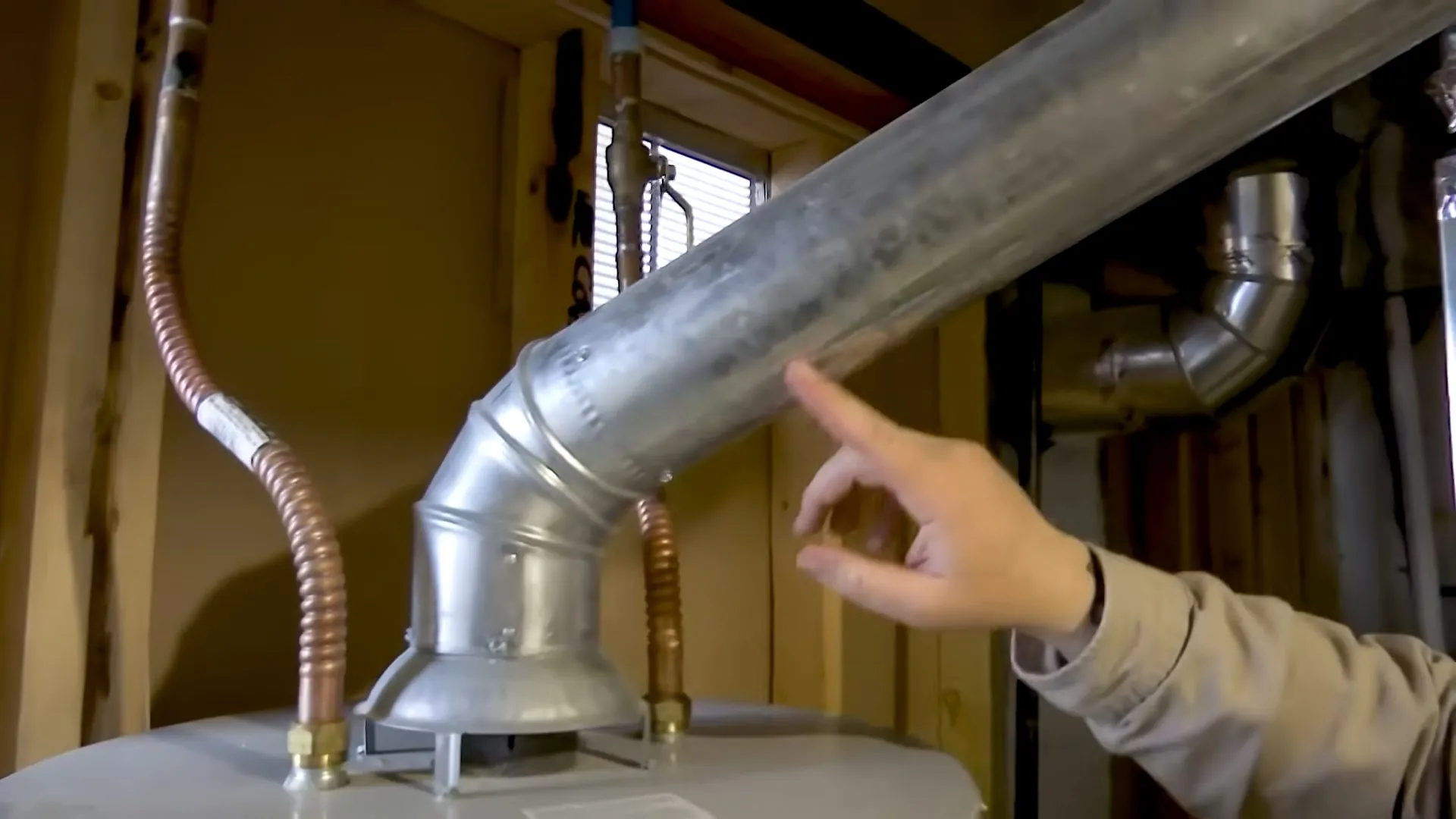
A gas heater needs a vent path to the outdoors, enough air for combustion and a gas line sized for the unit. If the gas supply or fittings need work, see gas line work. A smell of gas means leave the house and call your gas utility or 911 before anything else.
Electric
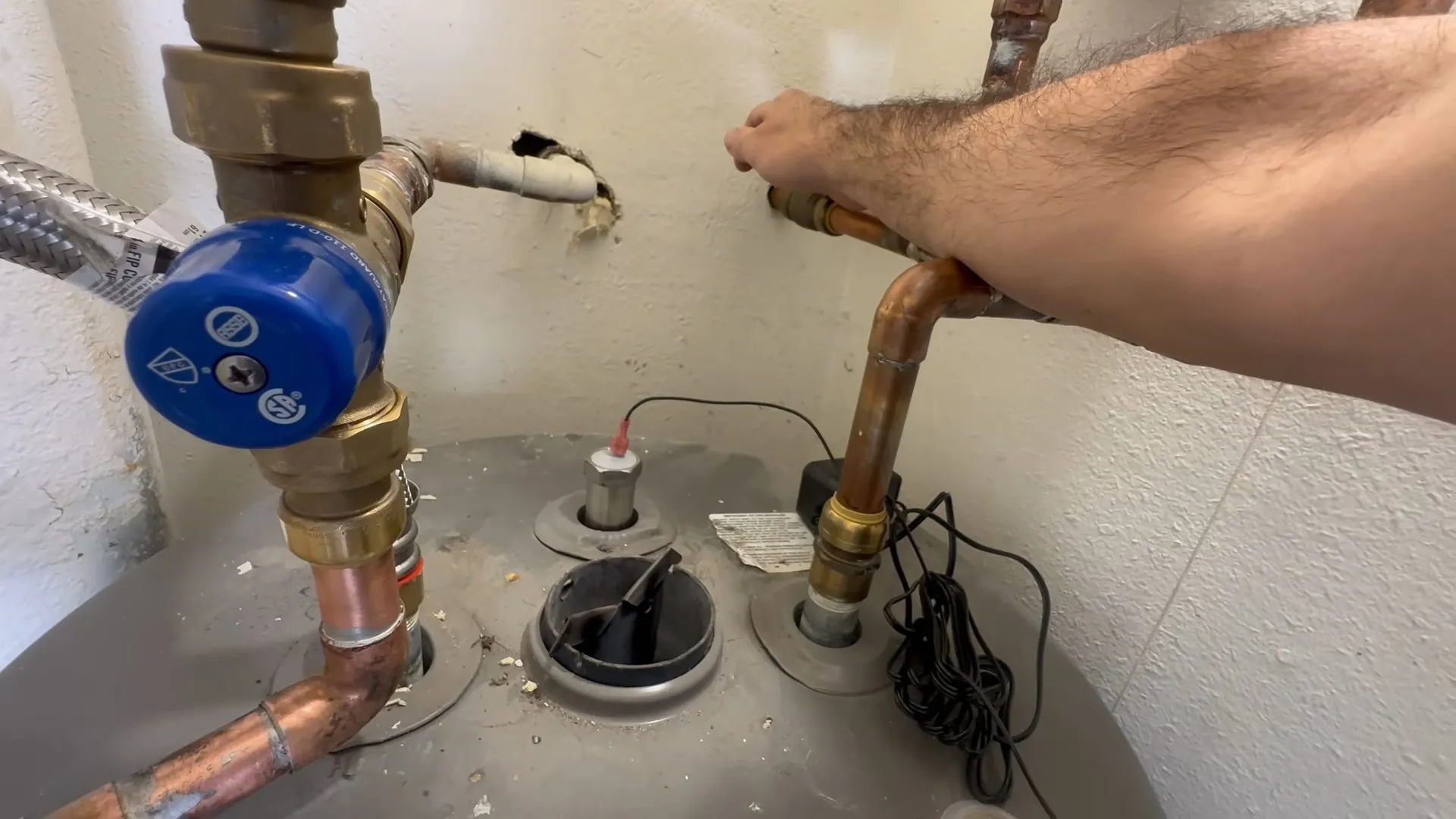
An electric heater needs a circuit and breaker matched to the unit, plus room for the tank. There is no vent, so it can sit in more places. Ask the installer to check that the existing circuit is the right size before ordering.
Hybrid heat pump
A hybrid unit pulls heat from the air around it, so it needs open space, airflow and a condensate drain. It uses less electricity than a standard electric tank and cools and dries the room it sits in. It makes sense where the heater has room to breathe.
Whichever fuel you choose, a tank water heater replacement is a like-for-like swap only when the vent, the supply and the space are already right. Anything that has changed since the last install, including a new roof vent or a remodeled closet, can turn a simple swap into a bigger job.
If endless hot water appeals, a tankless upgrade is a different install with its own gas, venting and electrical needs.
What size tank do you need
Do not size the new heater by copying the old label. The old unit may have been too small or too large for the household. A larger family, a soaking tub or a second shower used at the same time all push demand up.
- Count the people in the home and how many showers run back to back in the morning.
- Note any large tub, a dishwasher on a hot cycle or a laundry load running at the same time.
- Ask the installer to explain the first-hour rating, not just the gallon size.
A tank that is too small runs out of hot water mid-shower. One that is too large costs more to buy and to keep hot. A short conversation about how the house uses water settles it.
Permits and who pulls the permit
Lexington County requires a permit to install or replace a plumbing system and exempts ordinary repairs. Water heaters are not named in the County's rules, so ask the plumber whether a replacement needs one. Inside the Town of Lexington, the Town may apply its own rules, which were not confirmed for this page.
If a contractor does the work, county guidance advises the contractor to pull the permit. A homeowner can pull one for their own home if it is not offered for sale or rent for two years, but a permit in the homeowner's name makes the homeowner responsible for any deficient work.
Look up the license holder on the state license lookup and ask for a written scope of work that names the permit.
What to put in the quote
- The tank size in gallons, the fuel type and the energy rating
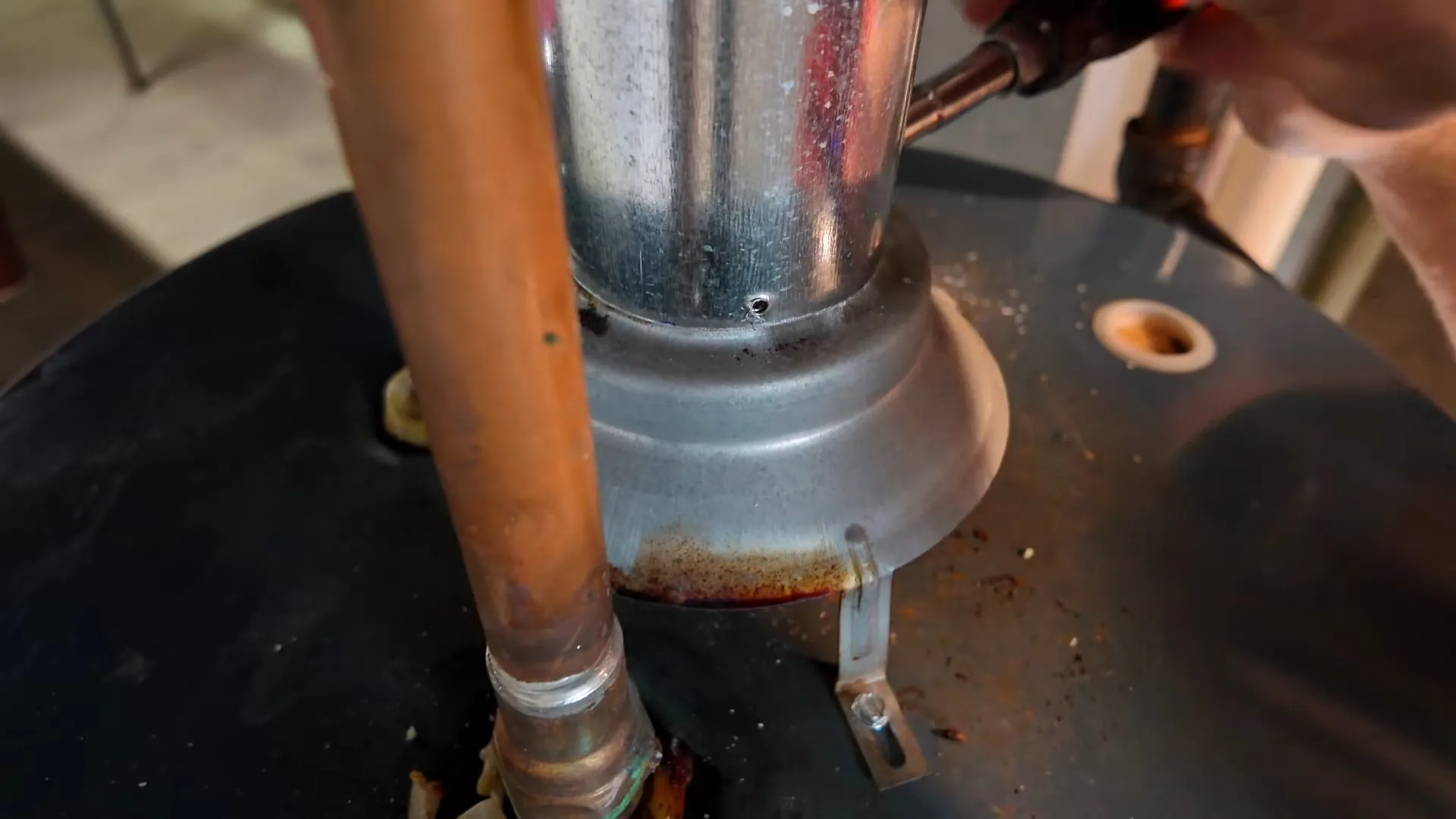
- How the unit will be vented, and any changes to the vent
- Whether an expansion tank, a drain pan and a pressure relief discharge pipe are included
- Whether a permit is needed and who is pulling it
- What happens to the old tank
- Warranty terms for the tank and the labor, in writing
Quotes differ most on sizing, venting and code items. Replacement cost factors lists what moves a price, and the water heater questions answered covers what to expect on a call.
After the install: what to ask the installer to show you
Before the plumber leaves, have them show you the shutoff for cold water, the pressure relief valve and where its discharge pipe ends, and the temperature setting. Ask how often to flush the tank, because sediment is the usual cause of noise and early wear.
Keep the paperwork: the permit if one was pulled, the model and serial number, and the warranty terms. You will want them if the heater fails early or when you sell the house.
Where the heater sits and what the cold does to it
A heater in a garage, attic or crawl space has exposed pipes. The National Weather Service puts the average last spring freeze for Columbia at March 16, so insulate those runs and any outdoor spigot before cold nights. Know where the shutoff for the heater is before you need it.
Moving the heater is a bigger job than swapping it in place. It changes the vent, the gas or electric supply and the drain, so ask for that to be priced as a separate option.
If the heater is leaking right now
- Shut the cold supply to the heater, at the valve on the pipe above it.
- Turn off its power or gas control only if the floor around it is dry and you can reach it safely.
- Contain the water with towels and a bucket, and keep it away from outlets.
- Photograph the leak and the data plate, then call us.
If the water has reached floors or walls, drying a flooded utility room should start as soon as the leak is stopped, since wet materials get harder to save with each day. If the supply pipes feeding it are failing too, replacing the supply pipes is worth pricing in the same visit.
Heater leaking or out of hot water?
Call us and give your ZIP code. One of our plumbers can tell you whether to repair or replace.
Call (833) 571-0120