
Lexington, SC · Showers, tubs and wet-space plumbing
Leaking shower, failing valve or a remodel on the way? Bathroom plumbing services in Lexington, SC
A brown stain on the ceiling under the bathroom, a shower that stays cold even when the heater is fine, or a tub that drains slowly are all bathroom plumbing problems. The hard part is finding which pipe is responsible, because most of them sit behind a wall or under the tub.
Call us and describe what you see and when it happens. One of our plumbers can trace the source and tell you whether it needs a quick repair or an opened wall.
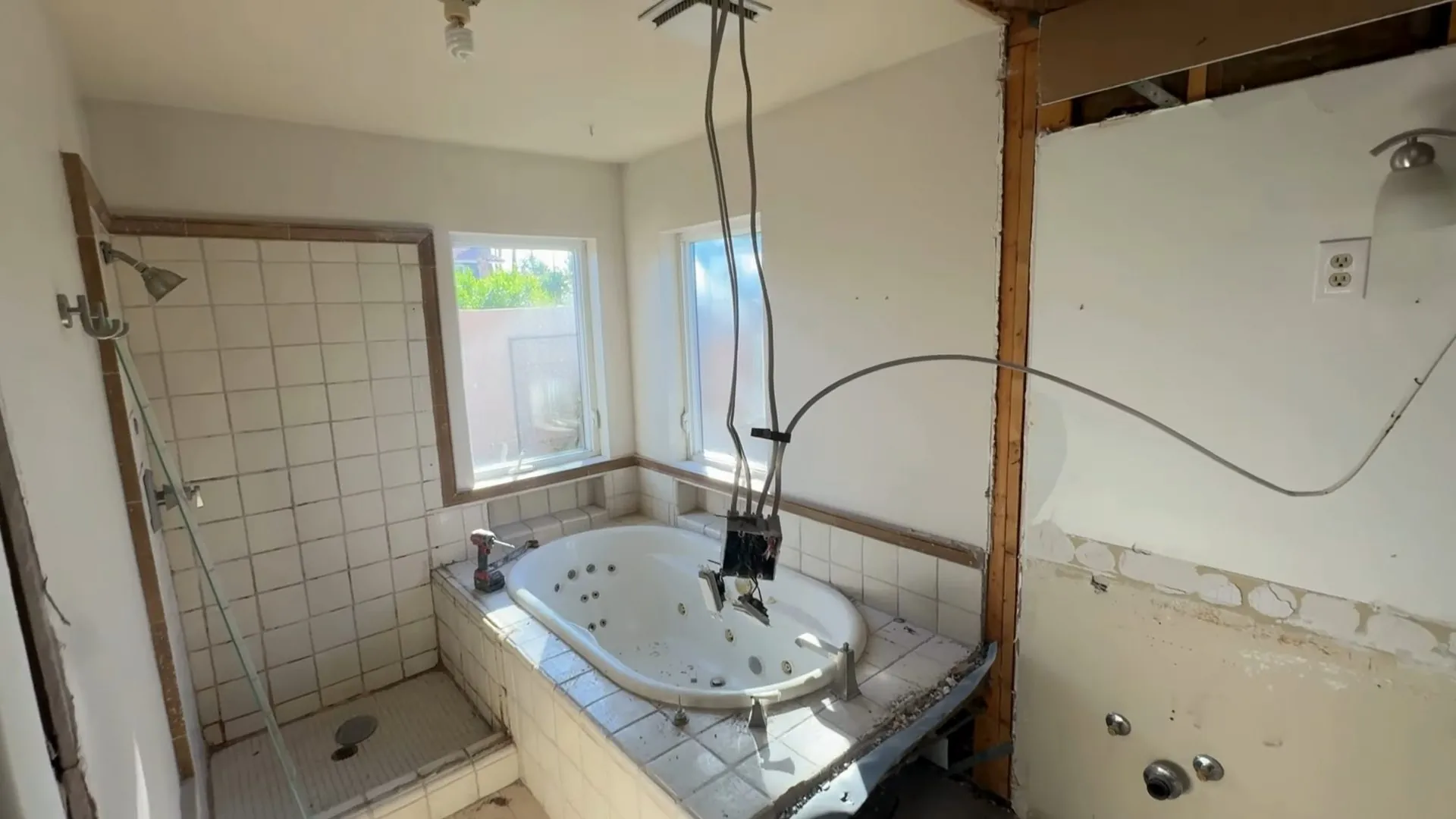
Pan, valve or drain: which one is leaking?
Water finds the lowest route, so the stain is rarely where the leak is. Two simple checks narrow it down before anyone opens a wall.
- Fill the tub to the overflow with the drain closed, then see if the ceiling stain below grows. If it does, suspect the drain or overflow connection.
- Run the shower without filling the tub. If the stain grows only now, suspect the shower valve, the pan or the walls and grout.
- Run a faucet or tub spout by itself. A leak that grows only while the spout runs points at the supply piping behind it.
These checks narrow the field. They cannot prove the source, so ask the plumber to confirm it with a moisture reading or a pressure test before a wall is cut.
Cartridge or whole valve: how a bad shower valve behaves
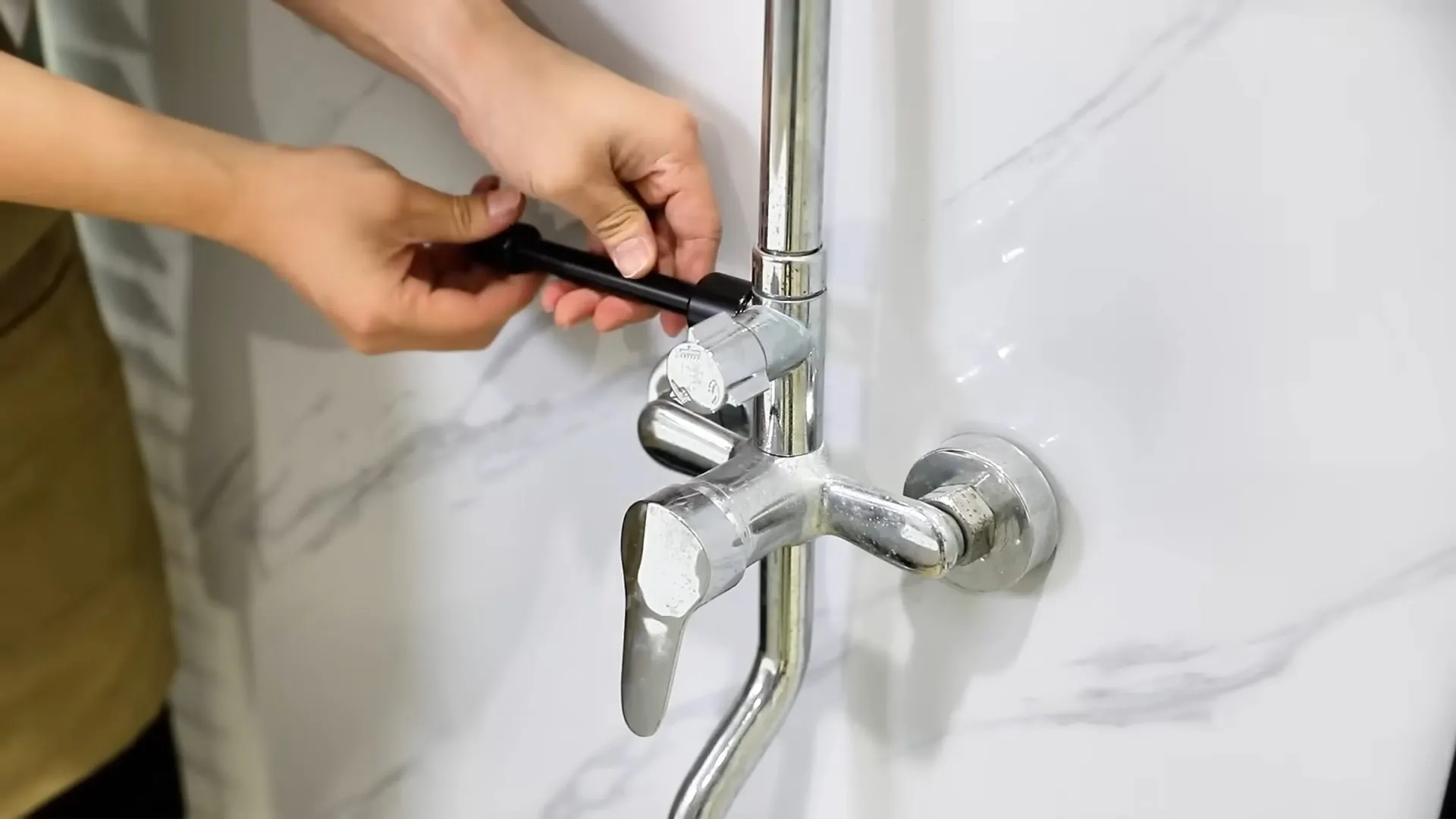
A shower that will not mix hot and cold, drips from the spout after you turn it off or has lost pressure usually has a worn cartridge. Replacing a cartridge is a small job that is done from the front of the wall.
When the valve body itself is corroded or leaking inside the wall, the repair means opening the wall, either from the bathroom side or through an access panel on the other side. Ask the plumber where the opening will be and who will close and finish it.
If the fixture in question is a sink rather than the shower, worn faucet cartridges covers that repair.
Slow tub and shower drains
A tub or shower that drains slowly, with the rest of the house normal, usually has hair and soap at the trap. If the toilet gurgles when the tub empties, the line downstream is involved and the problem is larger. A slow tub drain is cleared from the fixture or the nearest cleanout.
Chemical openers do not belong in a bathroom drain that may later be opened. They splash and burn, and they can damage some fittings. Tell the plumber if you used one.
Can you shut off just the fixture?
Every sink and toilet should have its own small shutoff valve, so a repair does not mean losing water to the whole house. Showers and tubs usually do not, which is why a shower repair often needs the main shutoff closed.
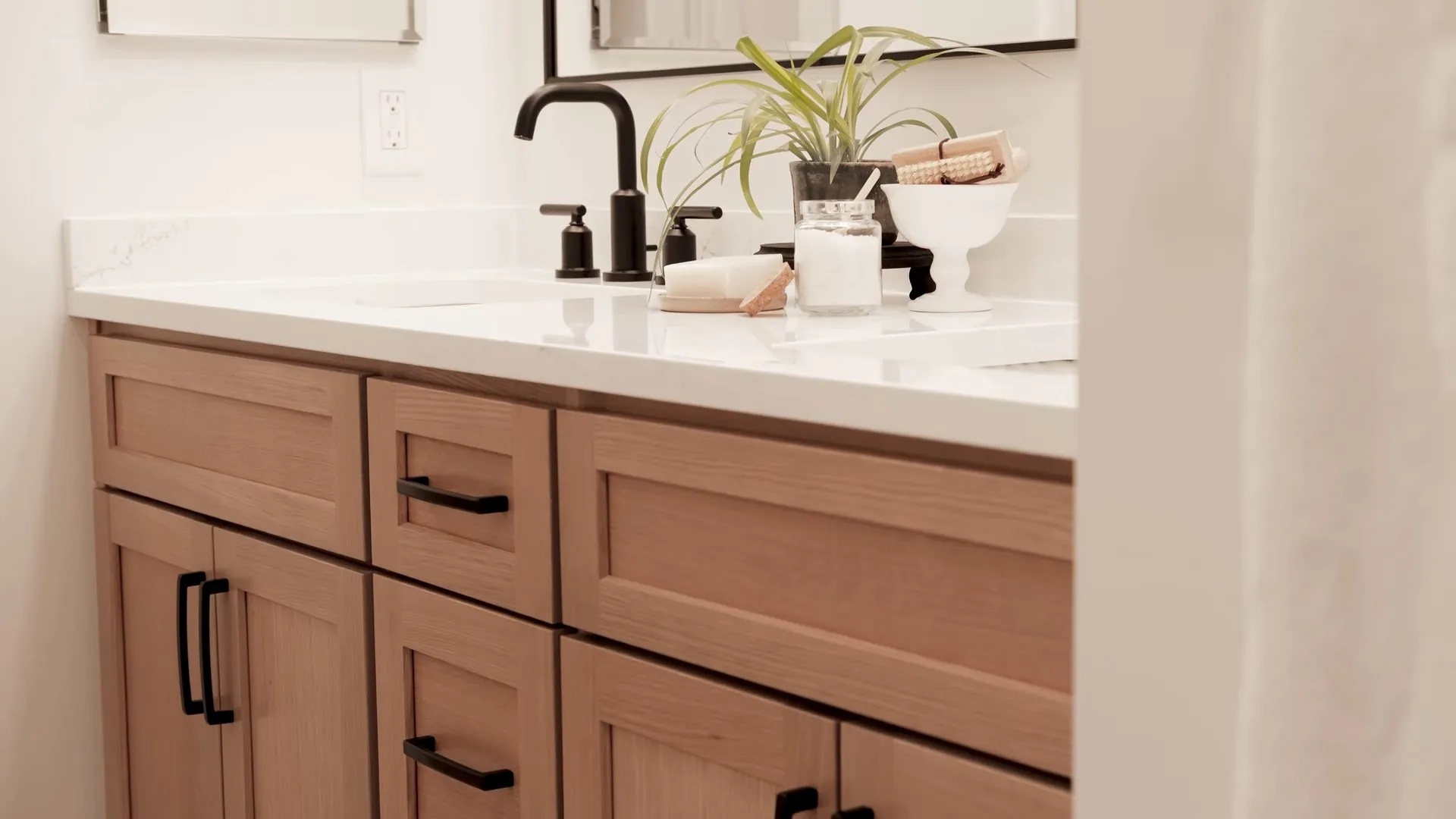
If your bathroom has no fixture shutoffs, or they are stuck, ask the plumber to add or replace them while the work is open. Test each one: turn it closed and open once a year so it does not seize. A valve that will not turn is better discovered on a quiet day than during a leak.
Know where the main shutoff is as well, and teach everyone in the house to find it. It is the one valve that stops every bathroom leak at once.
Low pressure or a sewer smell in the bathroom only
Low pressure at one shower is often a clogged showerhead or a blocked cartridge rather than a pipe problem. Unscrew the head and look at the screen. If the whole house has low pressure, the cause is upstream, and it is a call about the main or the pressure regulator.
A sewer smell is a different problem. It usually means a dry trap, a failed seal under the toilet or a vent that is not working.
- A floor drain or tub used rarely can dry out its trap. Running water in it for a minute refills the seal.
- A smell near the toilet base can mean a failed wax ring, which a plumber replaces.
- A smell with gurgling drains can mean a vent or main line problem, which needs a plumber.
Planning a remodel: what the plumber does before the tile
The plumber works at the rough-in stage, before the walls close. That is when fixtures can be moved, valves set at the right height and drains connected. It is also the easiest time to change your mind.
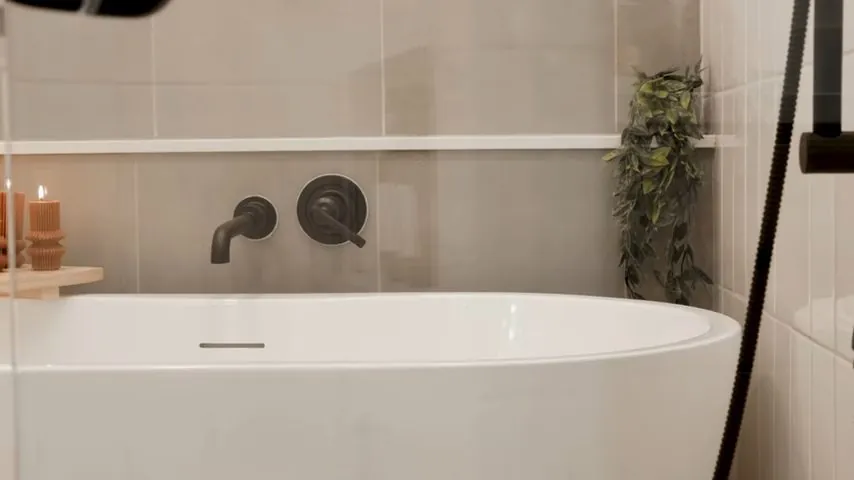
- Ask for the fixture positions to be marked and agreed before piping is run.
- Ask for a pressure test of the supply lines before the wall is closed.
- Photograph the pipes in the wall for later repairs.
- Confirm who sets the shower pan and waterproofing, because that is usually a tile or remodeling contractor, not the plumber.
Lexington County requires a permit to erect, install, enlarge, renovate, convert or replace a plumbing system, and ordinary repairs are exempt. A remodel that moves pipes or fixtures is the kind of work that calls for one. Ask the contractor to pull it, and look up the plumber on the state license lookup before the walls open.
Who handles the damage below the bathroom
A stain on the ceiling below means water has already moved. Stop the source first. If you cannot tell where it started, leak detection behind walls is the next step. Once the source is fixed, drying a soaked ceiling below keeps drywall and insulation from holding the water.
A toilet that runs or leaks at the base is a separate fix. See a running or leaking toilet for that.
Call now
- Water running through the ceiling below
- A shower valve that will not shut off
- Water spreading under the bathroom floor
Can wait for a scheduled visit
- A slow drain on one fixture
- A dripping tub spout
- A shower that mixes poorly
- A planned remodel that needs a rough-in visit
For a sense of how a bathroom job is priced, bathroom plumbing cost factors lists what moves a quote.
Bathroom leaking now?
Call us and describe where you see the water. One of our plumbers can find the source.
Call (833) 571-0120