
Lexington, SC · Sewer lines and laterals
Backups, bellies and roots: sewer line repair or replacement in Lexington, SC
Sewage coming up in the lowest drain, toilets that gurgle, or a soggy patch in the yard over the sewer line all raise the same question: what is wrong with the pipe, and where? Guessing means digging in the wrong place. A camera answers it before anyone breaks ground. This page covers sewer line repair in Lexington SC, from the first camera look to the finished repair.
Call us, say what you see and give your ZIP code. One of our plumbers can inspect the line and tell you whether it needs clearing, a spot repair or replacement.
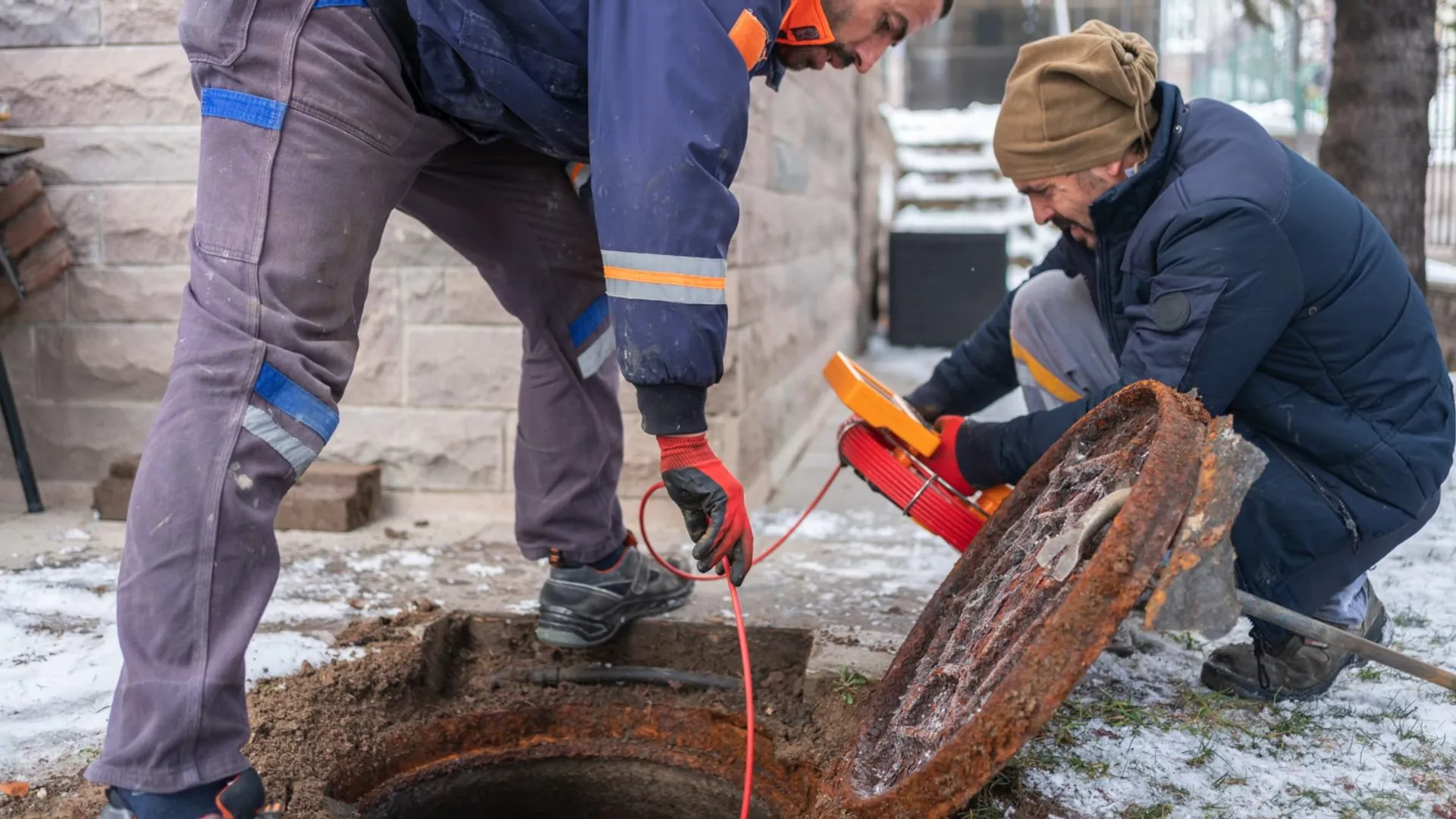
Start here: stop the water, then find out whose pipe it is
- Stop adding water. Hold off on laundry, the dishwasher and long showers. Every gallon has nowhere to go when the line is blocked.
- Check the neighbors. If the same backup is happening on your street, the blockage may be in the sewer main rather than your pipe.
- Keep people and pets out of any sewage. Photograph it before cleanup, and do not run a wet vacuum on it.
The Town of Lexington provides sewer service to its customers. Its customer service line is (803) 358-1581, and it is the right first call when a main may be involved.
Which side of the Town line your address falls on is a separate question. ZIP codes 29072 and 29073 cover far more ground than the Town, so a Lexington mailing address often sits in unincorporated Lexington County. Ask the utility that bills you where its pipe ends and yours begins, and ask the plumber to record where on the line the problem sits.
What a camera inspection shows, and what to ask for
A camera on a flexible cable goes in through a cleanout or the toilet flange. It shows the pipe material, joints that have slipped, roots, cracks, low spots that hold water and scale or grease along the walls. A locator on the surface marks where each defect sits and how deep.
- Ask for the video, not just a description of it.
- Ask for the distance from the cleanout and the depth at each defect.
- Ask what the pipe is made of and how long the damaged section runs.
- Ask for repair options explained side by side, with the one the plumber prefers and why.
Clearing the main line or repairing it
Clearing the main line restores flow when the pipe itself is sound. It fits roots, grease and debris. It is the same work described for clearing a clogged drain, done through the main cleanout with a heavier machine. Roots can also be cut back by jetting out roots under high pressure.
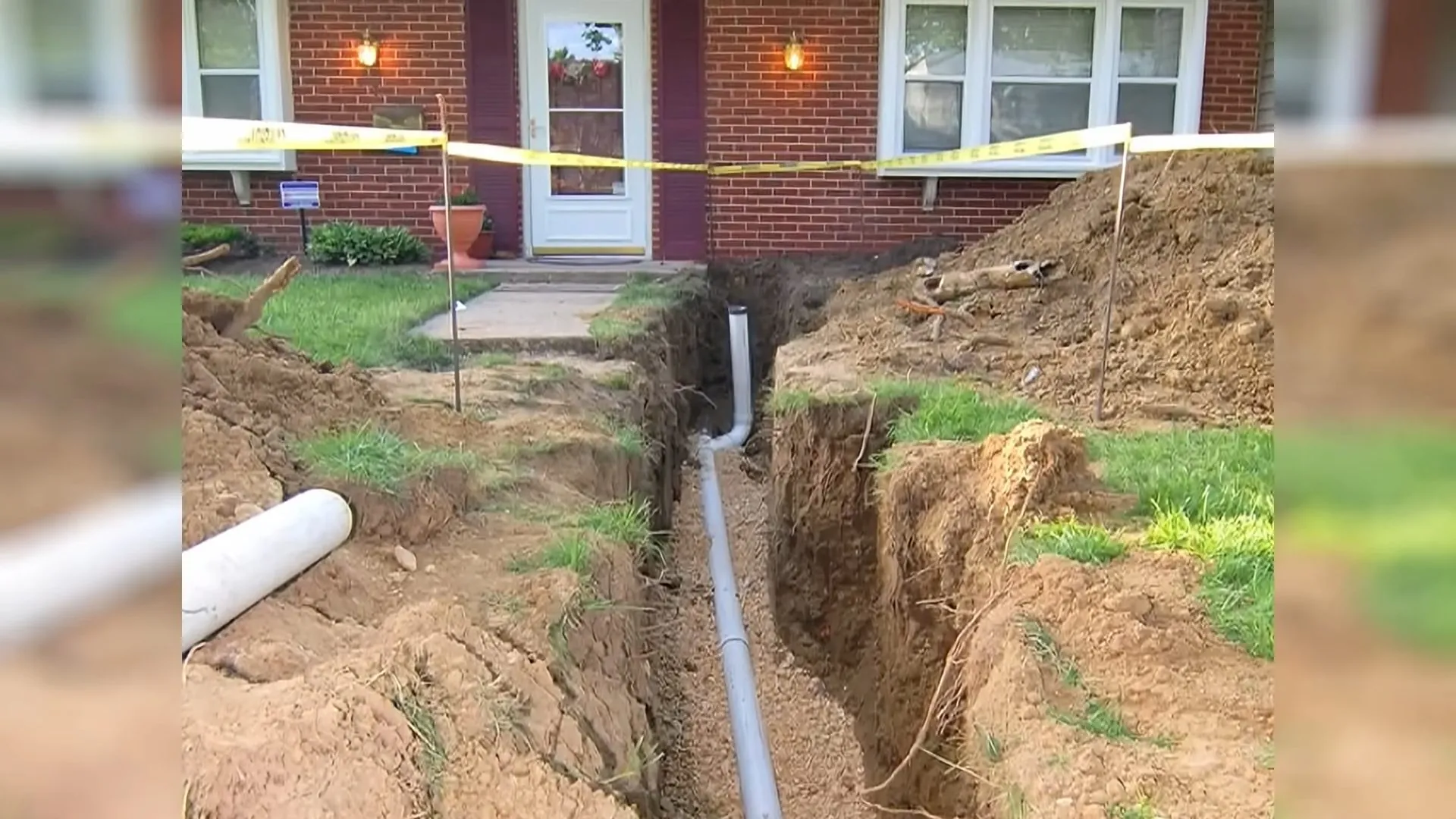
If the stoppage returns within weeks, the pipe is probably damaged. What the camera shows decides the next step.
| Finding on camera | Usual response | What to ask |
|---|---|---|
| Roots entering a joint | Cut and clear the roots, then judge the joint | Ask for that joint to be viewed again after clearing. |
| A belly, a low spot that holds water | Repair or replace that section | Ask for the length and depth of the sag. |
| A crack or an offset joint | Spot repair, lining or replacement, depending on the length | Ask for the options explained separately. |
| A crushed or collapsed pipe | Dig and replace, or reroute | Ask what happens to the driveway, landscaping or slab above it. |
| Only grease or scale buildup | Clean the line and set a maintenance interval | Ask how often cleaning should repeat, based on what the plumber saw. |
Spot repair or full replacement
The lateral is the pipe from your house to the sewer connection. One failed section can be cut out and replaced. When the pipe has several defects, or is made of a material that cracks and scales along its whole length, one spot repair rarely ends the problem. Cast iron and clay, found in older homes, are the usual examples.
If the pipe is cracked but still in line, lining the pipe without trenching can avoid tearing up the yard. The trenchless page explains when that fits and when it does not.
Ask the plumber if the job needs a permit and who pulls it. Lexington County requires permits to install or replace plumbing systems and exempts ordinary repairs. If a sewer line replacement falls under that, and what the Town requires inside its limits, is for the permit office to answer, so ask before work begins.
Look up the license holder's name on the state license lookup before work starts, and ask whether that person carries the surety bond state rules require on larger jobs.
Call SC811 before anyone digs in the yard
Buried gas, water, power and communication lines can run through any yard. SC811 recommends that homeowners call 811 before digging, and a locate request goes in through that number. Ask the plumber who is making the request and when the marks will be painted, because digging waits on them.
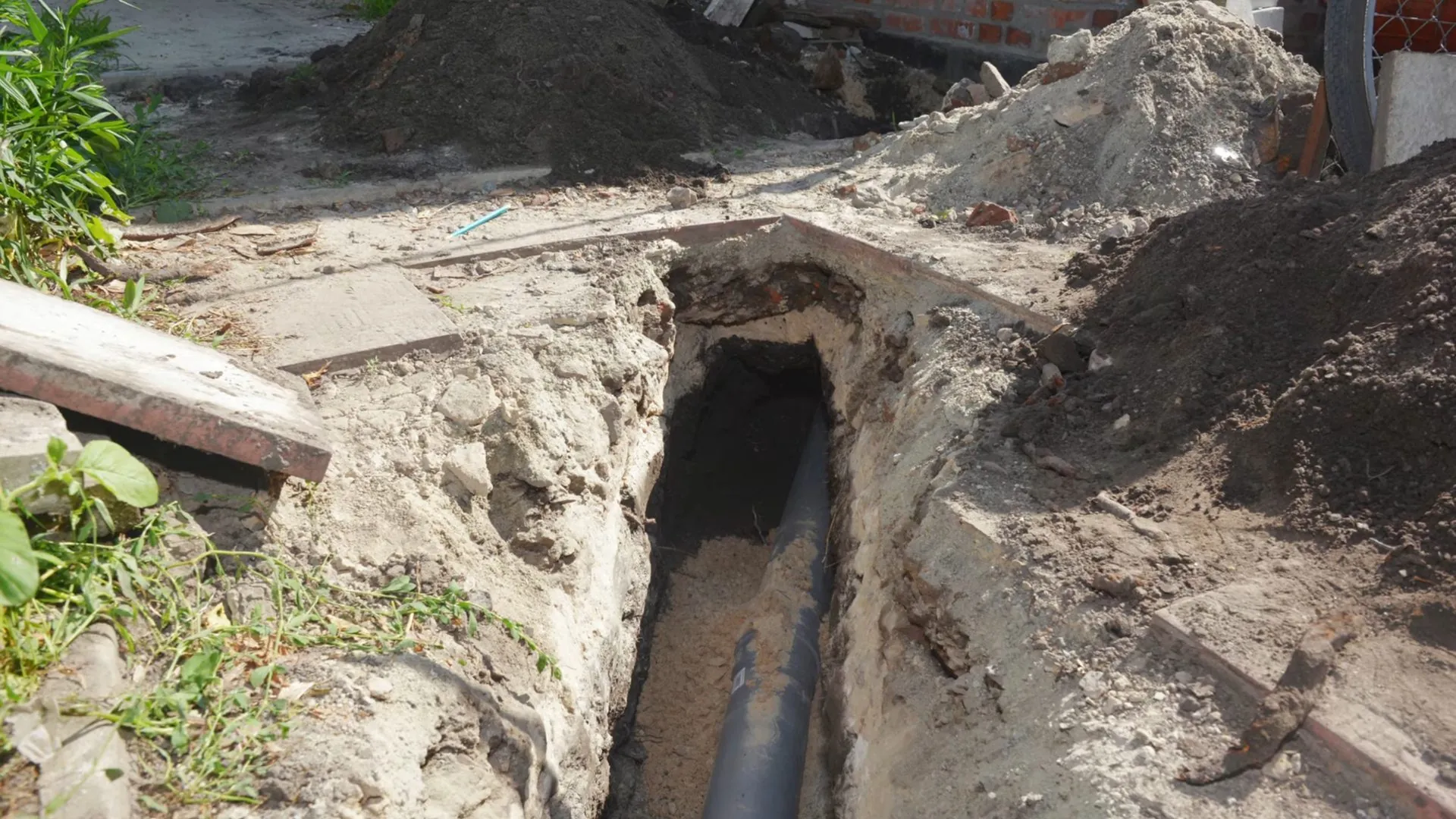
Ask what happens to the lawn, driveway and landscaping when the trench closes. Surface restoration is often separate from the plumbing repair, and it is easier to settle in writing before the dig than after.
Commercial and multi-unit sewer lines
Larger buildings run larger lines through more fixtures, so a backup can take every restroom offline at once. Larger commercial jobs fall under the SC Contractors' Licensing Board rather than the residential commission, so ask which license covers your job. Owners and tenants should also settle who authorizes the repair, as covered under commercial building plumbing.
Industrial and commercial sewer lines often carry grease, solids or process water that a house line never sees. Ask the plumber to camera the full run from the building to the connection, and to mark where any shared line serves neighboring tenants. For multi-unit buildings, ask which units back up first, because that points to where the blockage sits.
What to have ready when you call
- Which drains are affected and when the backup started.
- Whether the toilets, tubs and floor drains all back up, or only some.
- Where the cleanout is, if you know, and whether it is capped and accessible.
- Any earlier clearings of the line and what the plumber found.
- Whether neighbors on your street have the same problem.
A plumber who has this before arriving can bring the right equipment on the first visit. It also gives the Town something specific to check if the main is involved.
When sewer trouble is urgent
Call now
- Sewage rising in the lowest tub, shower or floor drain
- Several fixtures backing up together
- Sewage on the floor or a strong sewer smell inside
- A sinkhole or sunken area over the sewer line
Can wait for a scheduled visit
- A slow drain on one fixture
- An occasional gurgle that clears on its own
- A faint odor outdoors that comes and goes
- A line that clears but you want the cause found
If sewage reaches floors or walls, see sewage backup cleanup for the drying side. For what the work involves in money terms, sewer repair cost ranges lists the factors that move a quote.
Sewage coming up now?
Call us and give your ZIP code. One of our plumbers can scope the line with a camera.
Call (833) 571-0120