
Lexington, SC · Toilets, tanks and clogs
Toilet running, clogged or rocking on the floor? Toilet repair and installation in Lexington, SC
A toilet that runs, clogs, leaks at the base or rocks on the floor wastes water or risks floor damage. Most of these have a simple cause: a worn flapper, a failing fill valve, a bad wax ring or a clog in the trap. Below is what toilet repair & installation Lexington SC homeowners ask about comes down to: a part, a clear or a new toilet.
Call us and describe what the toilet does. One of our plumbers can tell you whether it needs a part, a clear or a new toilet.
A running toilet and silent leaks
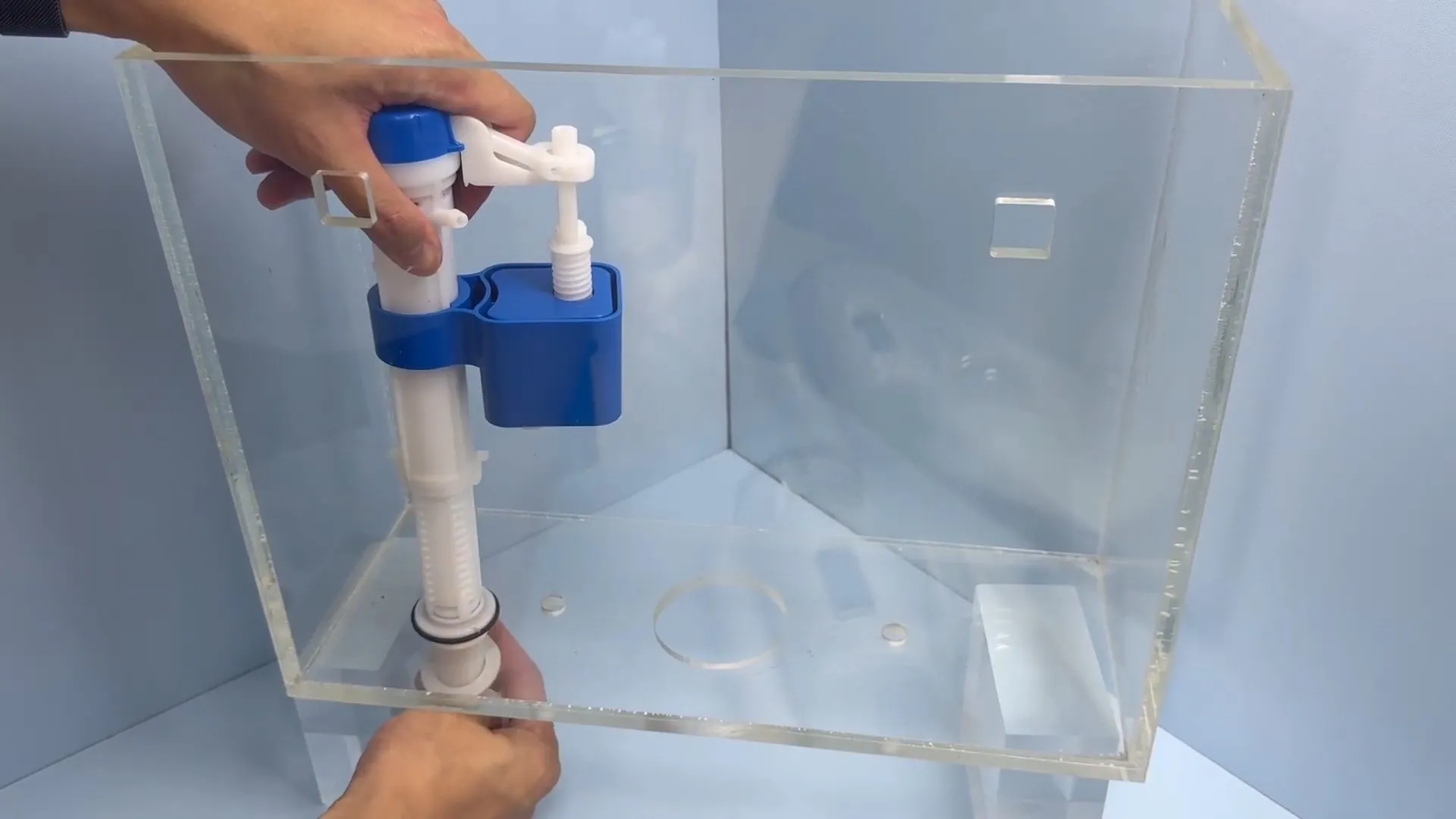
A toilet that runs on, or that refills by itself every so often, is losing water into the bowl. The usual cause is a flapper that no longer seals, or a fill valve that does not shut off. Both are inexpensive parts, but the water they waste adds up.
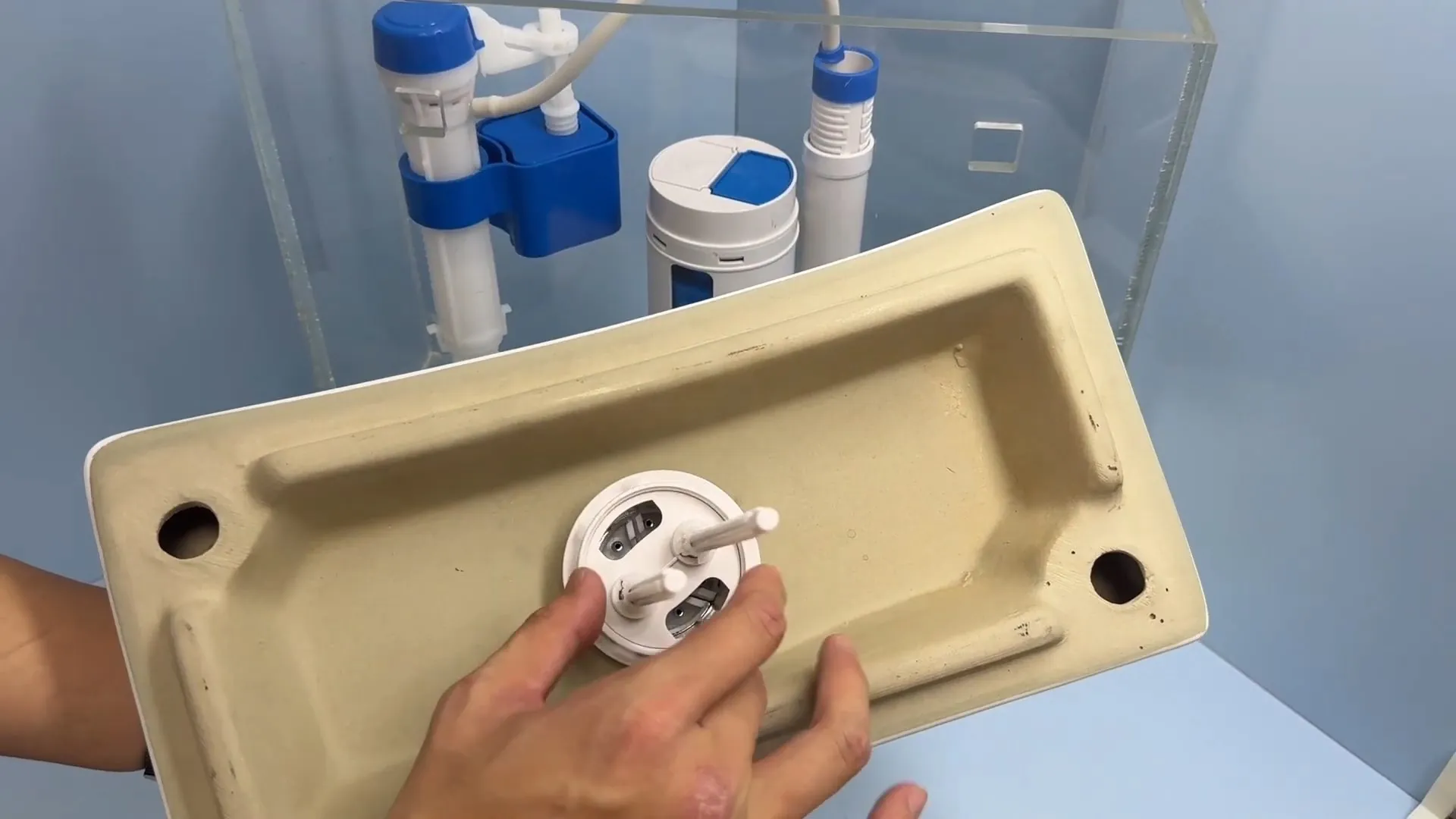
A silent leak does not make noise. Water slips past the flapper and into the bowl so slowly that you never hear it. A dye test finds it: put a few drops of food coloring in the tank, wait fifteen minutes without flushing, and look in the bowl. Color in the bowl means a leak.
- Run the dye test before calling.
- Check that the chain is not caught under the flapper.
- Look for mineral buildup on the flapper seat.
- Ask whether the fill valve also needs replacing.
A toilet that runs for a few seconds every half hour or so, a ghost flush, is a flapper leak, and it can waste a large amount of water over a month. The fix is often small, but the dye test is worth doing first so the plumber replaces the right part. Tell us what you saw when you did it.
A clog in one toilet or in several
A single toilet that will not flush has a clog in the trap or the drain right behind it. A flat plunger with a good seal clears most of them. A toilet auger reaches farther without scratching the porcelain.
Skip chemical drain cleaners in a toilet. They sit in the bowl, can splash on skin and make a later plunging or augering unsafe. Items like wipes, toys and thick paper are the usual cause of repeat clogs, and a plumber can pull the toilet to retrieve a hard object from the trap if an auger will not.
If more than one fixture backs up, the clog is further along. A toilet that gurgles when a tub drains, or a floor drain that bubbles, points to the main line. In that case it may be the Town's sewer rather than your own pipe. The Town of Lexington runs sewer service, at (803) 358-1581, so it is worth a call. Our main drain clearing page covers the private side.
Before calling, note which fixtures are affected and what happens when you run each one. Water that rises in the tub when the toilet flushes, or a toilet that bubbles when the washing machine drains, tells the plumber which part of the line is blocked and whether a camera inspection is the next step.
Leaks at the base and a rocking toilet
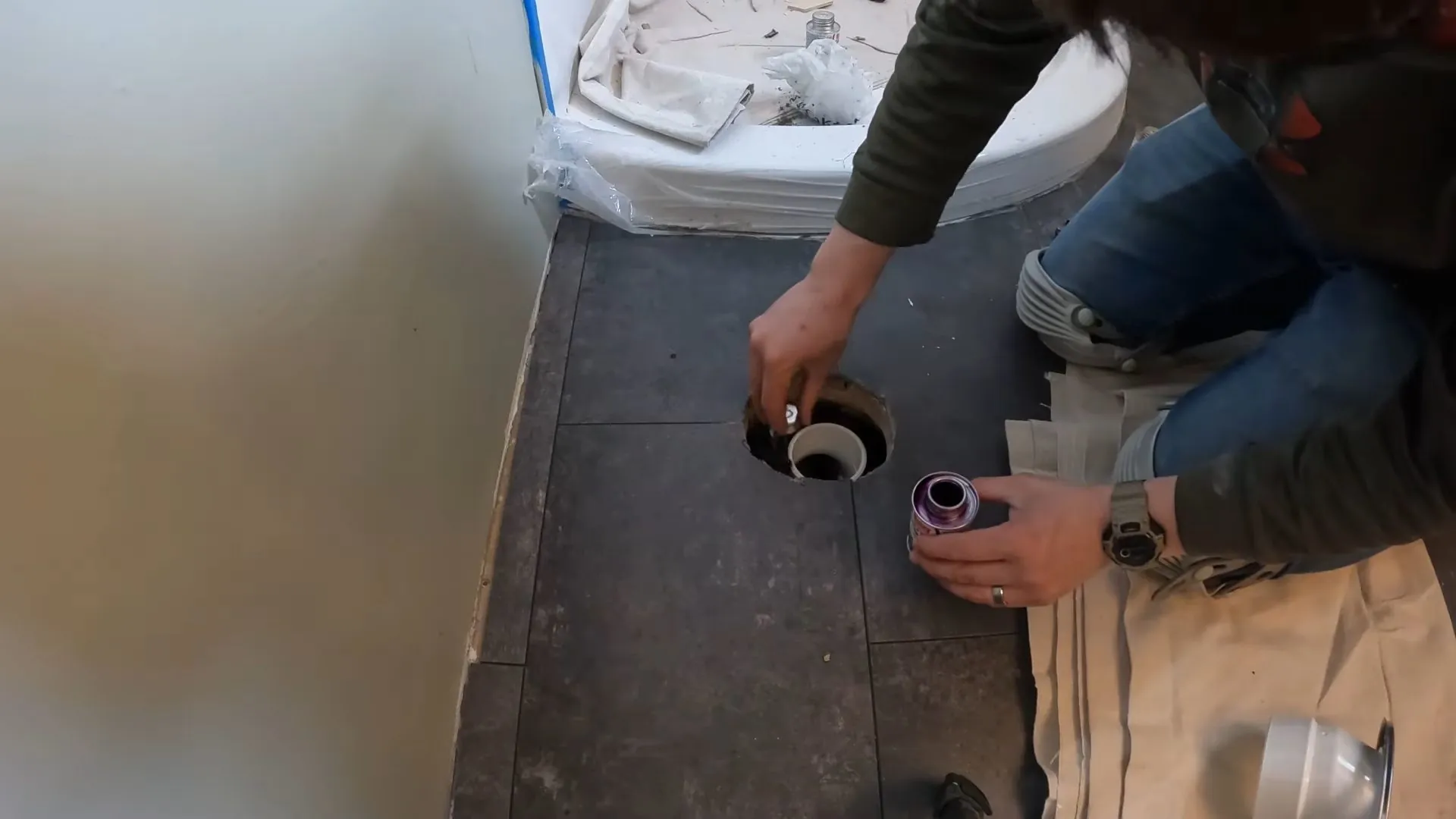
Water around the base of a toilet means the wax ring or the closet bolts are failing, or the flange under the toilet has shifted. A toilet that rocks has the same problem. A rocking toilet works the seal loose, and the water that escapes can rot the floor around it.
| What you notice | Likely cause | Usual fix |
|---|---|---|
| Water around the base | A worn wax ring | Pull the toilet and set a new ring. |
| A toilet that rocks | Loose bolts or a damaged flange | Tighten, shim or repair the flange. |
| A soft spot in the floor | Long-term base leak | Repair the subfloor, then reset the toilet. |
| A sweating tank | Condensation, not a leak | Dry it and check the supply line. |
Stop using the toilet and shut the supply valve if the floor is wet. Ask the plumber to check the flange and the floor, not only the ring.
Tank parts and fixture repair
The tank holds a handful of parts that wear out: the flapper, the fill valve, the handle and the supply line. A loose handle, a tank that fills slowly, or a toilet that needs a second flush are all signs of a worn part.
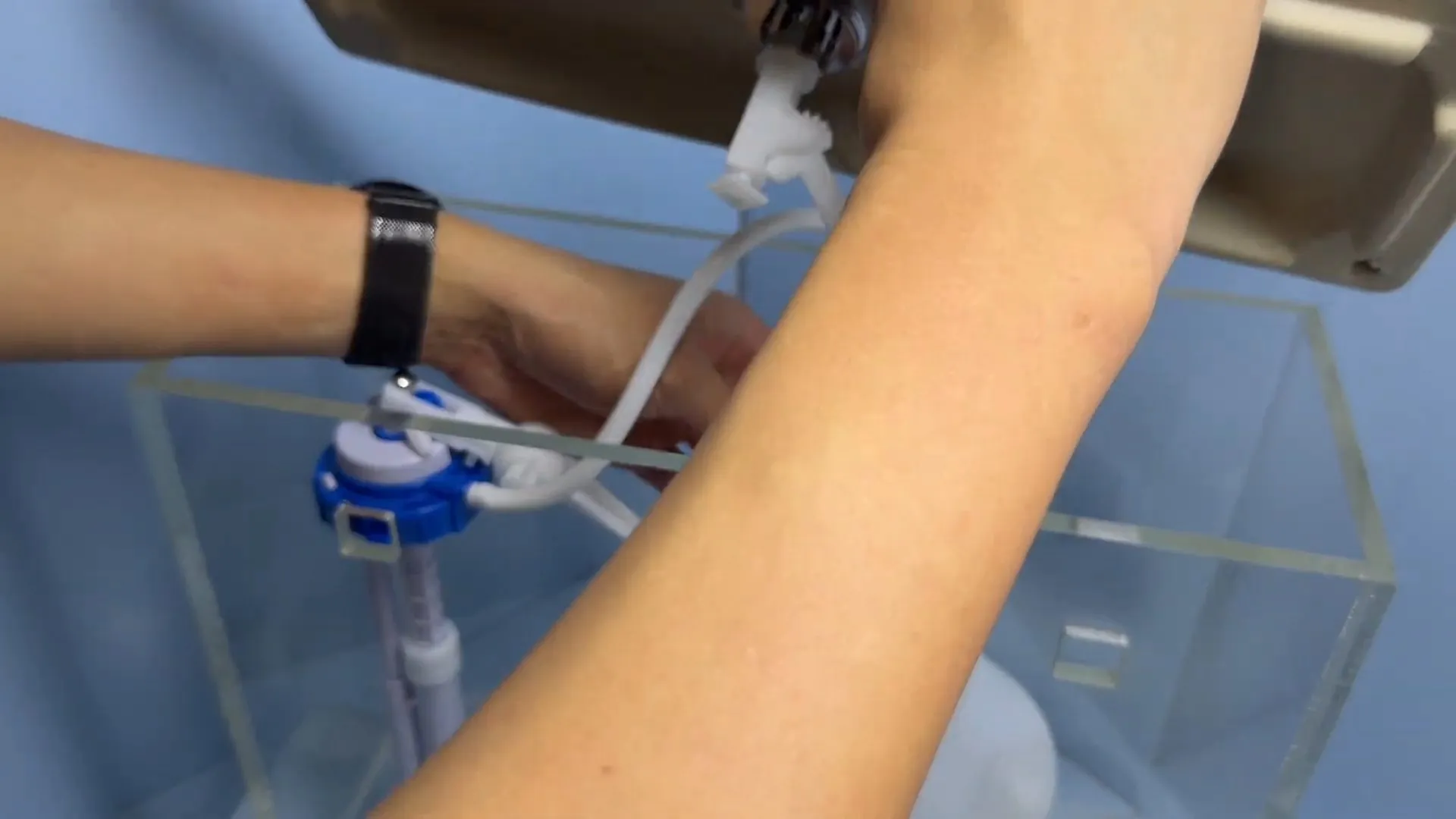
- Flapper: seals the tank, and fails most often.
- Fill valve: refills the tank and can stick open.
- Handle and chain: loose or kinked.
- Supply line: older lines can leak at the nut.
Ask the plumber to replace worn parts as a set when the toilet is older. A toilet with a cracked tank or bowl cannot be repaired and needs replacing.
Installing or relocating a toilet
A replacement toilet is a bolt-down job when the flange is sound and the rough-in distance matches. The rough-in is the distance from the wall to the center of the drain, and a toilet that does not match it will not fit.
Moving a toilet is a larger project, because the drain, the vent and often the floor must change. That work usually needs a permit under the County's rules for plumbing installation. Ask who pulls it. For a full room project, see our bathroom remodel plumbing page.
When you shop for a toilet, check the rough-in, the bowl shape and the height. A round bowl saves space, an elongated bowl is more comfortable and a taller seat suits many people better. A dual-flush model uses less water on a light flush, and the plumber can tell you if the existing drain suits the one you choose.
Installation includes setting a new wax ring or seal, checking the flange, fitting a new supply line and a new stop valve if the old one is stiff, and testing the flush. Ask the plumber to take away the old toilet and to leave the floor clean, and ask what the work is warranted for.
What to expect when you call
Tell us what the toilet does, how old it is and whether any other fixture is acting up. That usually tells the plumber what to bring. Check the license holder on the state license lookup before the work begins.
A general toilet repair visit should end with the toilet working, the cause named and any other worn parts pointed out. If the plumber recommends replacing the toilet, ask what is wrong with it that cannot be repaired, and ask for the repair option in writing so you can compare. A good repair report is short and specific.
For what moves a quote, toilet cost factors lists the items, and toilet questions answered covers the call.
Toilet giving you trouble?
Call us and tell us what it does. One of our plumbers can tell you whether it needs a part, a clear or a replacement.
Call (833) 571-0120