
Lexington, SC · Leaks, floods and backups
Wet floors or soaked drywall? Water damage restoration in Lexington, SC, from drying to cleanup
Water damage gets worse by the hour. Drywall wicks moisture upward, carpet padding holds it, and wood floors cup and lift. The first job is to stop the source. The second is to remove standing water and start drying before mold gets a foothold.
Call us and describe where the water came from: a pipe, the heater, a sewer backup or a storm. This page covers stopping the plumbing source and the water removal and drying that follow. Rebuilding walls, floors and ceilings is separate construction work.
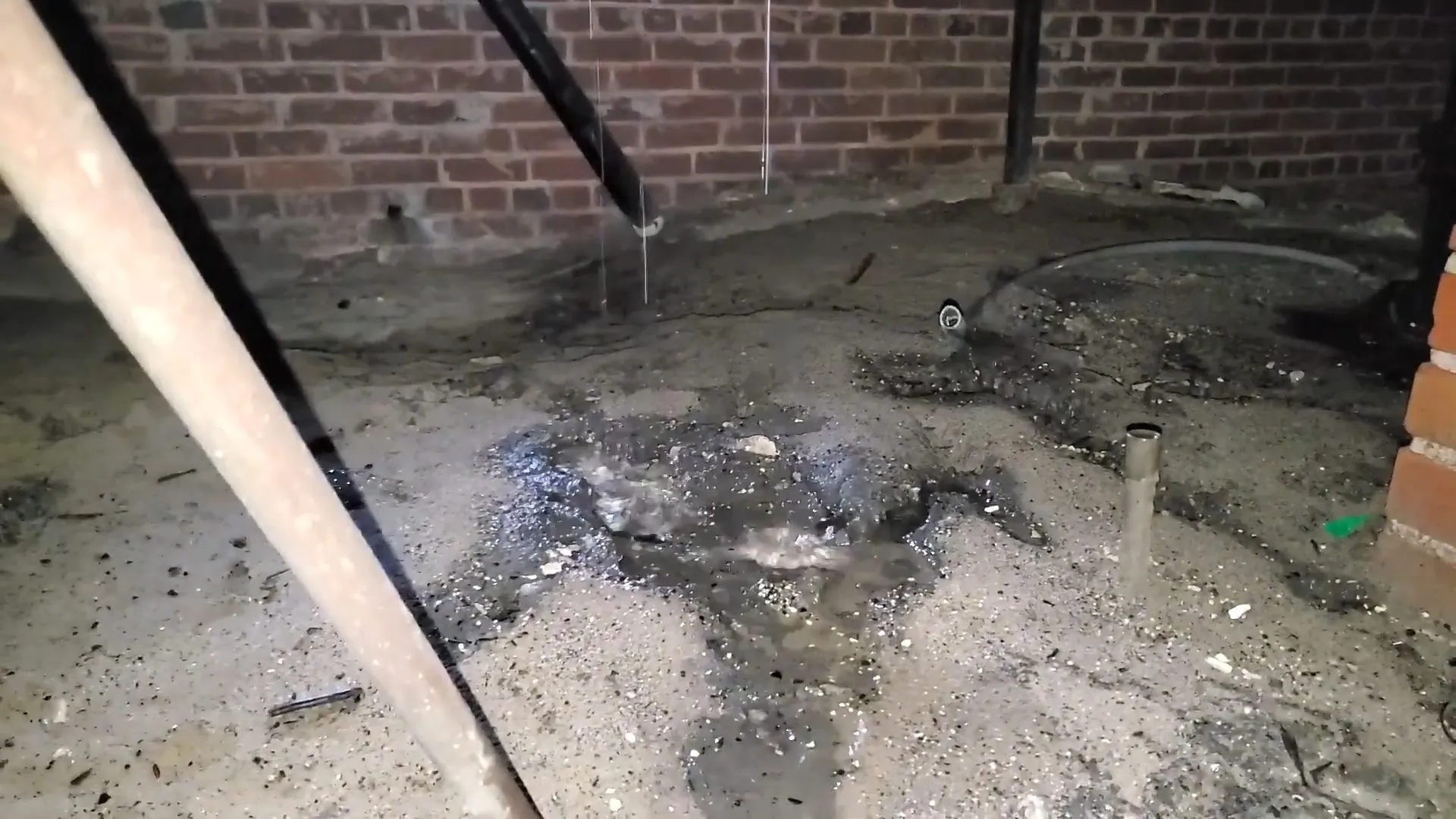
The first hour: stop the source and protect yourself
Drying cannot begin while water is still arriving. Find the source first, because it decides who you call and what you do before they arrive.
| Where the water is coming from | First move | Who handles it |
|---|---|---|
| A burst or leaking supply pipe | Close the main shutoff, then open the lowest faucet | A plumber |
| A leaking water heater | Shut the cold supply to the heater; switch off its power or gas control only if the floor is dry | A plumber |
| Sewage backing up from a drain | Stop using water, keep people and pets away | A plumber, and the Town if the main is involved |
| A leaking appliance supply line | Close the small shutoff valve behind the appliance | A plumber |
| A roof leak or storm intrusion | Move belongings, contain the water where it is safe | A roofer and your insurer |
Water near outlets, the electrical panel or a ceiling light fixture is an electrical hazard. Stay clear and call an electrician or 911. A smell of gas means leave the house and call your gas utility or 911 first.
Document before you dry
Insurers ask for evidence, and cleanup destroys it. Before anything is moved, photograph and video the water, the affected rooms, the damaged materials and the shutoff you closed. Make a list of damaged belongings with rough ages.
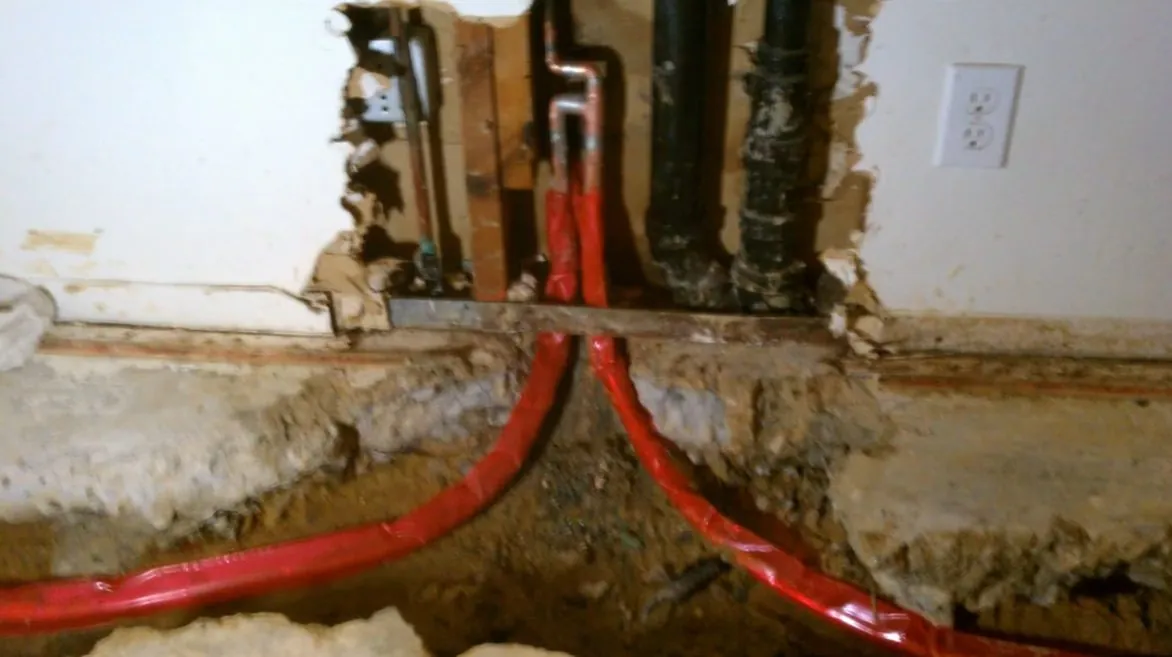
- Keep damaged materials until the adjuster approves removing them, or photograph them thoroughly first.
- Ask the plumber to write down what failed and where. That note supports the claim.
- Write down the time you noticed the water and when you stopped it.
Keep receipts for anything you buy to deal with the emergency, such as fans, sandbags or temporary lodging. Ask the insurer how it wants them submitted, and in what order, before you throw anything out.
If you cannot see where the water started, the repair is incomplete until someone does. Finding where the water started comes before drying a wall that keeps getting wet again.
How long drying can wait before mold becomes a problem
The U.S. EPA says wet or damp materials dried within 24 to 48 hours can generally avoid mold growth. After that, mold becomes more likely, especially in drywall, insulation and carpet pad.
Drying is measured, not guessed. Ask for moisture readings when the equipment goes in, at every visit and when the work ends. Air movers and dehumidifiers usually run for days, not hours, and a wall that feels dry can still be wet inside.
If you see or smell mold, or materials stayed wet beyond two days, ask for a mold assessment. Large mold cleanup is a separate specialty from drying. Do not paint or seal over damp drywall, because that traps the moisture.
Water on the floor right now?
Call us. Tell us your ZIP code and where the water is coming from, and we send a plumber to stop the source.
Call (888) 681-3447What can be saved: carpet, hardwood, ceiling and walls
Carpet and hardwood fare differently. Carpet over a wet pad can often be lifted and dried if the water was clean and the response was quick. Hardwood is slower to show damage: boards take in water, then swell and cup along their edges, a distortion called cupping that can show up days later. Early, controlled drying saves more floors than waiting to see.
| Material | What the water does | What to ask for |
|---|---|---|
| Carpet and pad | The pad holds water and can stay wet under dry-looking carpet | Ask whether the carpet can be lifted and dried, and whether the pad should be replaced. |
| Hardwood and wood flooring | Boards absorb water, swell and cup; slow drying can save some floors | Ask for a moisture reading of the boards and the subfloor, not only the surface. |
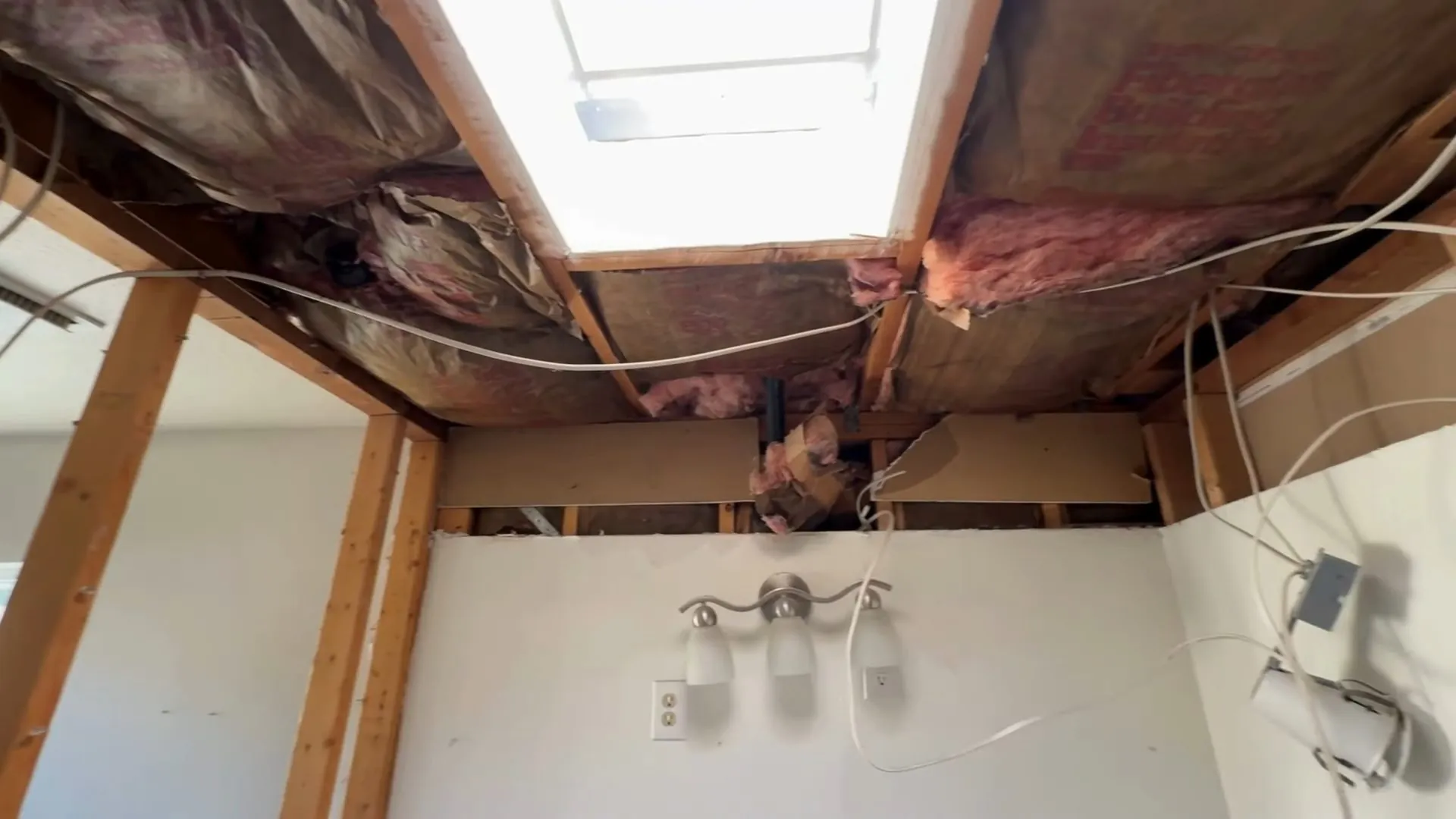
| Ceiling | Water pools above the drywall and the ceiling can sag | Ask for the ceiling to be checked from above and, if it is bulging, for it to be opened. |
| Wall drywall and insulation | Drywall wicks upward; wet insulation holds water against the studs | Ask where the cuts will be made and how far above the waterline they go. |
Do not stand or work under a bulging or sagging ceiling. Keep people out of that room and call for help.
Clean water, gray water or sewage: why the source matters
Water from a supply line starts clean but becomes less so the longer it sits. Water from a washing machine or dishwasher carries soap and food residue. Sewage carries bacteria and is a health hazard, so anything it touches is treated as contaminated. The cleanup standard rises with each step.
With sewage, porous materials such as carpet, pad and drywall that touched it are usually removed rather than dried. Keep children and pets out, wear gloves and boots for anything you touch, and let the cleanup crew set the containment.
The plumbing fix comes first. A blockage in your own line is a sewer line repair job. If neighbors are backing up too, call the Town of Lexington at (803) 358-1581, because the blockage may be in its main. Lexington ZIP codes reach beyond the Town, so confirm who serves your address first.
Storm, flood and roof water versus plumbing water
A plumber stops water that comes from pipes. Water that arrives through the roof, a window or the ground belongs to a roofer, a contractor and your insurer first. Ice dams are a roofing and insulation problem, not a plumbing one.
Check your policy before assuming coverage. Many standard homeowners policies treat flood damage differently from a burst pipe, and the notice time can be short. Call your insurer first and describe the source accurately.
A leaking tank is a plumbing source, and a leaking water heater is where the repair decision happens.
Water damage in shops, offices and shared buildings
In a business, the first calls are the building manager and the insurer, because a leak above a ceiling can reach other tenants. Photograph every affected suite, note business equipment and stock, and keep receipts for emergency costs. Plumbing for shops and offices covers who owns which pipe under a typical lease.
A commercial space also has to decide what keeps operating. Ask the plumber and the drying crew which rooms can reopen first, and in what order, because a dry back office is useful while the sales floor is still being dried. Record the days the space was closed. A business interruption claim needs that count, and your insurer may ask for it in writing.
Call before drying starts to confirm the water is off
Call us before the drying starts. One of our plumbers can confirm that the water is off.
Call (888) 681-3447