
Lexington, SC · Every service in one place
Seventeen plumbing services in Lexington, SC and where to start with each
Most people arrive here with a symptom, not a service name: a drain that gurgles, water that stays cold, a wet spot in the floor. This page starts from what you can see and points to the page for it.
If nothing below matches, call and describe it. One of our plumbers will tell you what to do first.
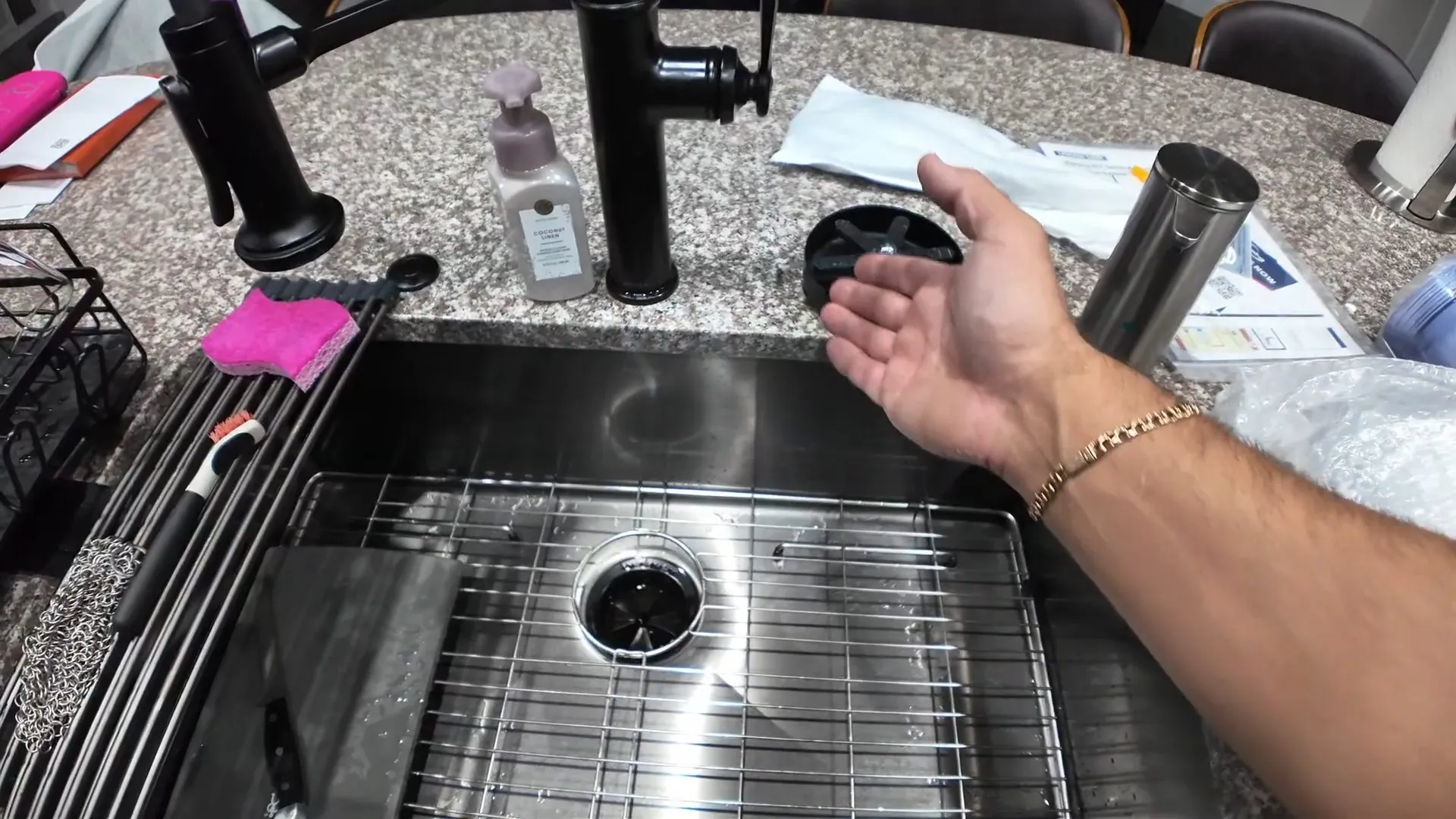
Symptoms matched to the service page that covers them
The table pairs common symptoms with the page that covers them. It is a starting point, since the same symptom can have more than one cause, and the page itself explains how to tell them apart.
| What you see | Where to read |
|---|---|
| A slow or gurgling drain | clearing a stubborn drain |
| Sewage or several drains backing up | sewer line trouble |
| A main line that keeps clogging | scouring a clogged main |
| A damaged sewer pipe and a yard you want to keep | relining the sewer pipe |
| No hot water or a leaking tank | a failing water heater |
| An old tank due for replacement | swapping the tank |
| Interest in a tankless unit | going tankless |
| A high water bill or a damp spot | tracing a hidden leak |
| Rusty water, pinhole leaks or aging pipes | repiping a whole house |
| Warm floor spots or a leak under the house slab | leaks under the slab |
| Water spreading after a leak or flood | water removal and drying |
| Gas smell or a gas appliance line | gas line work |
| A running toilet | stopping a running toilet |
| A humming or jammed disposal | a stuck disposal |
| A dripping faucet or a wet cabinet | fixing a leaky faucet |
| Shower valves and bath plumbing | bathroom pipes and valves |
| A shop, restaurant or office | plumbing for businesses |
The seventeen plumbing services and what each page covers
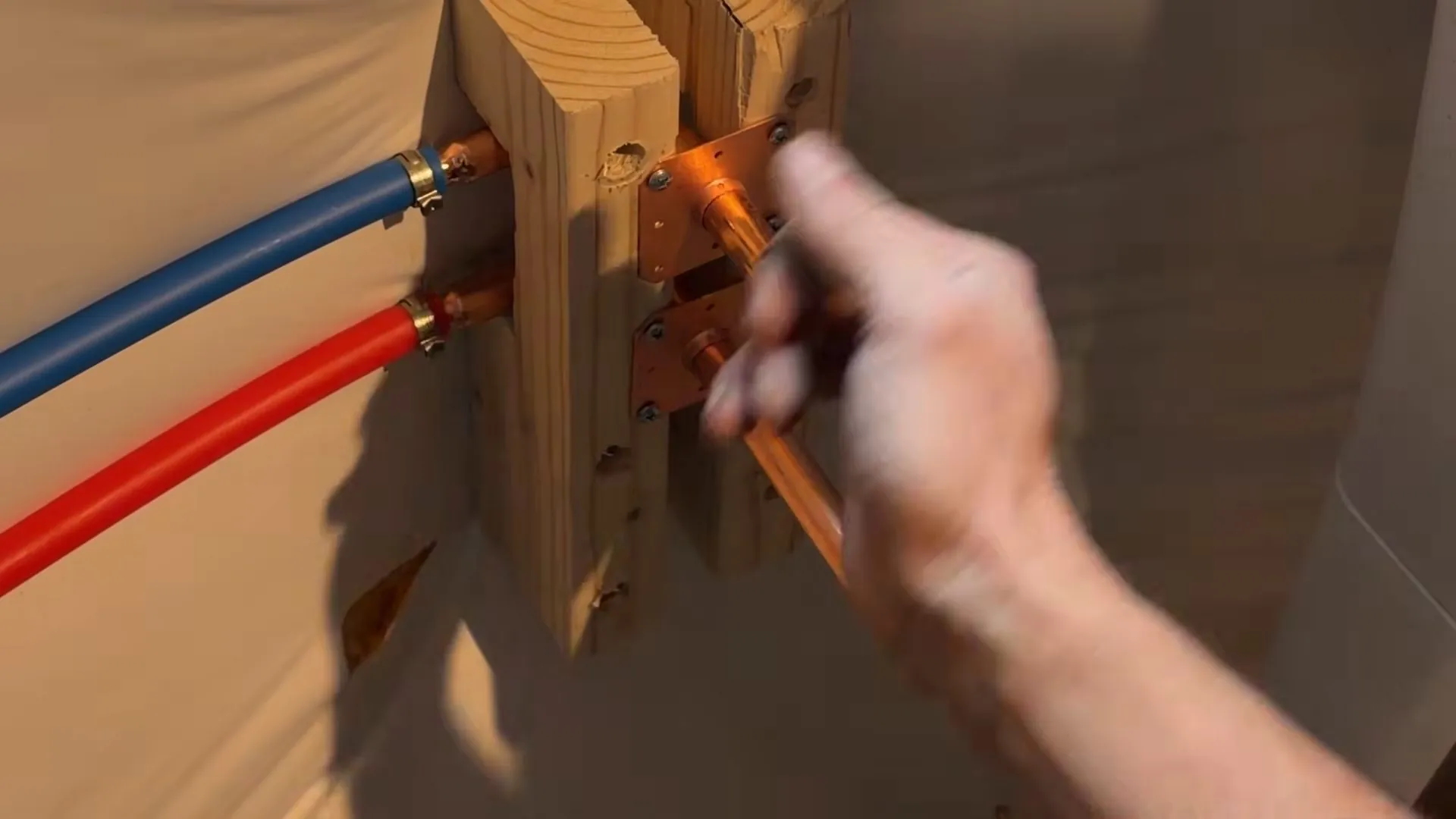
Each page covers the decisions the problem puts in front of you, what you can safely check first, and when to call right away.
Kitchen, bath and main drains that are slow, gurgling or backing up.
Broken, bellied or root-damaged sewer lines, found with a camera first.
Water removal and drying after a leak or flood, before damage spreads.
Maintenance and urgent calls for shops, restaurants and offices.
Replacing a worn-out tank, and what a permit means for the job.
No hot water, a leaking tank or a pilot light that will not stay lit.
Shower valves, tub drains and the wet-space plumbing behind a bathroom.
High-pressure scouring for grease, scale and roots that snaking leaves behind.
Relining a damaged sewer pipe without trenching the whole yard.
Gas line testing and repairs, with gas smells sent to the utility first.
Finding a hidden leak in a wall, a floor or the yard before it grows.
Whether a tankless unit fits your home, and what installing one involves.
Whole-house repiping, pipe repair and pipe replacement for failing supply lines.
Locating and fixing leaks in lines that run under a slab floor.
A disposal that hums, jams or leaks under the sink.
Drips, weak flow and worn cartridges at the kitchen or bath sink.
Running, leaking or clogged toilets, and when a replacement makes sense.
When to call now and when it can wait
Call now when water will not stop, sewage is coming up inside the house, water is near electrical outlets or the panel, or a tank is leaking steadily. Turn off the main shutoff first if you can reach it safely. A gas smell is different: leave the house and call the gas utility or 911 from outside.
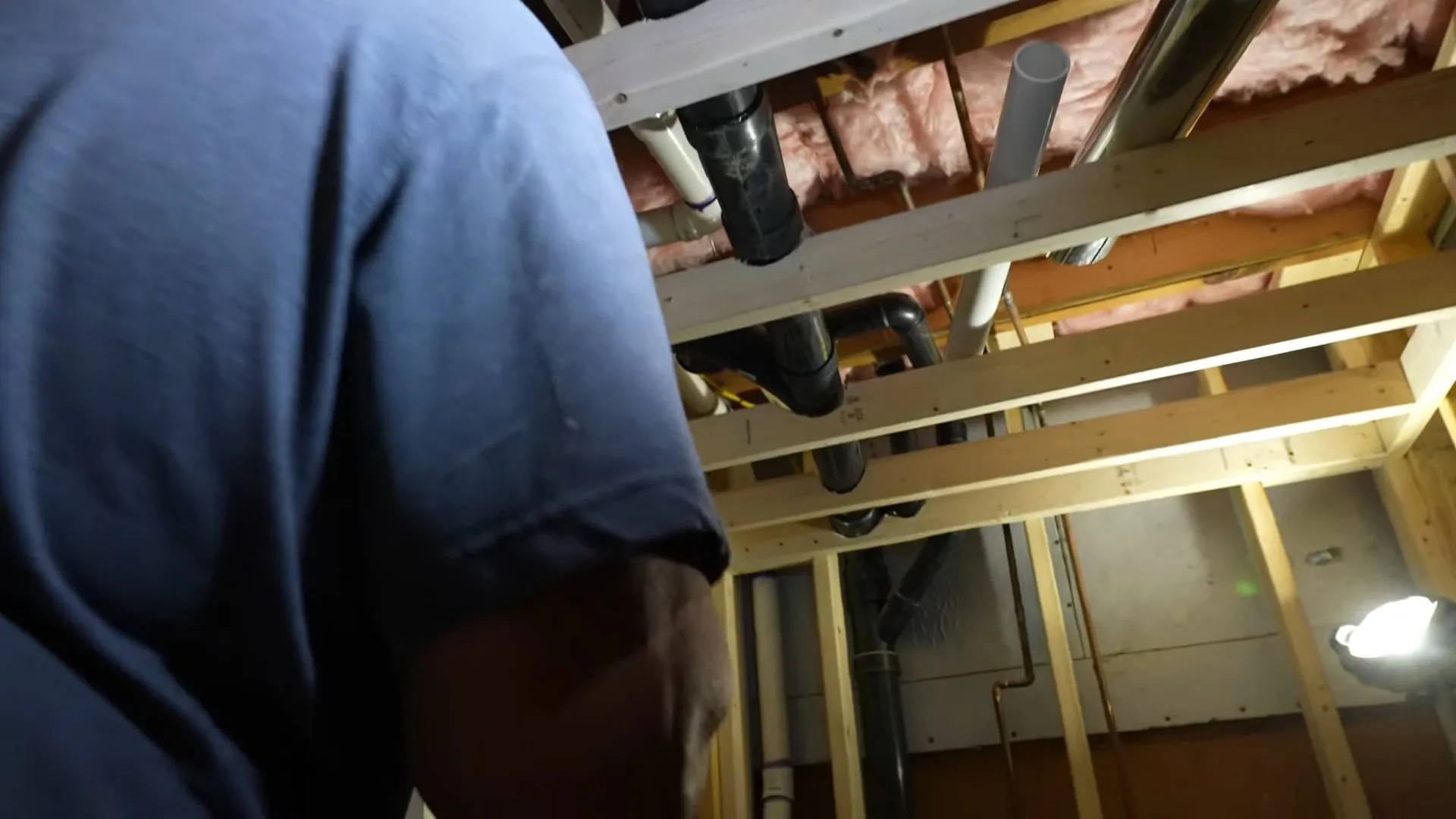
A dripping faucet, a slow drain or a running toilet can wait a day or two, though a small leak still costs money every hour and can damage a cabinet. When you are unsure, call and describe it. Telling us what you see is enough, and you do not need to know the cause.
- Water that will not stop: close the main shutoff and call.
- Sewage inside the house: stop using water and call.
- Gas smell: leave, then call the gas utility or 911.
- A drip or slow drain: note it, and call when convenient.
Cost, permits and who handles what
A price depends on what the plumber finds, so our cost ranges page shows wide ranges and what moves them. Our plumbing questions page covers who pulls a permit and how to check a plumber's license.
The towns and ZIP codes page lists the neighborhoods we work in and the county each sits in. Call with your address and tell us what is happening.
Not sure which service you need?
Call us and describe what is happening. One of our plumbers will tell you what to do first.
Call (833) 571-0120