
Lexington, SC · Shops, restaurants and offices
Shop, restaurant or office with a plumbing problem? Commercial plumbing services in Lexington, SC
A plumbing failure in a business costs more than the repair: a closed restroom, a flooded kitchen, an argument over whose pipe it is. Tell us it is a commercial property, what kind of building it is and what has stopped working.
Call us and give your ZIP code. One of our plumbers handles the call, and the questions below help you decide what to ask and who has to approve the work.
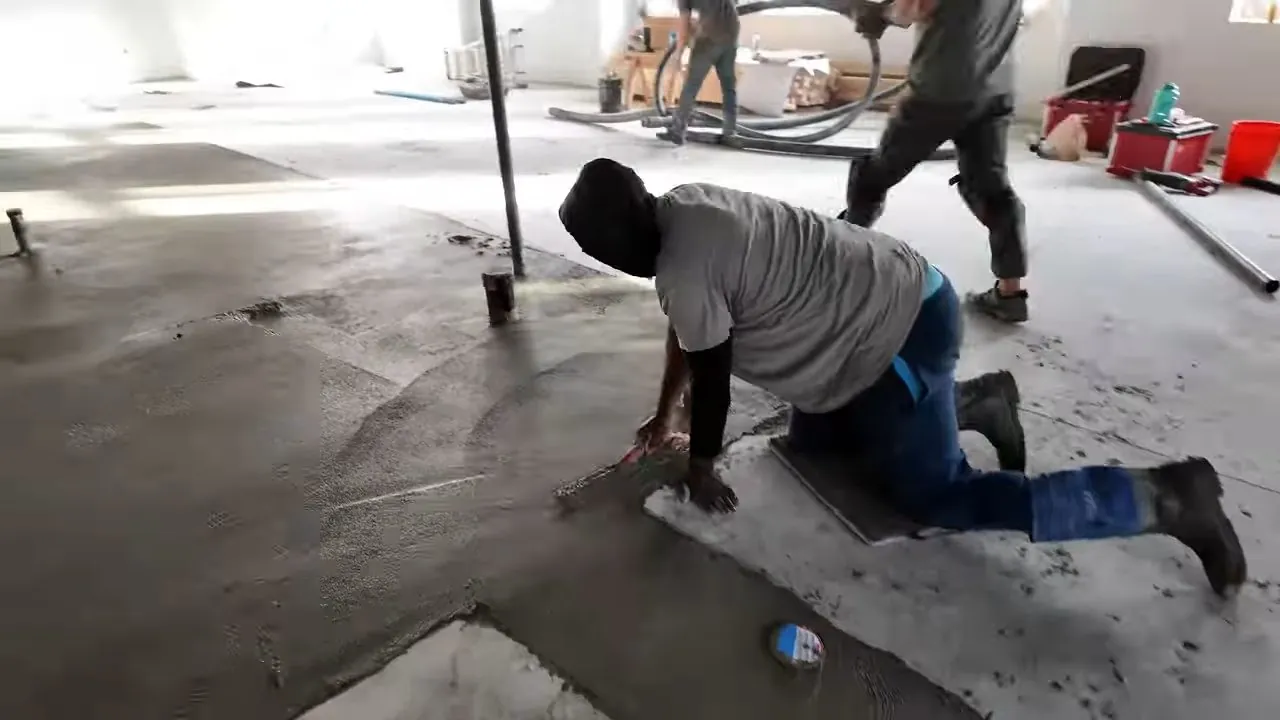
Tenant or landlord: who pays for a commercial plumbing repair
Before calling anyone, find out who authorizes and pays for the repair. A lease usually settles it, and reading it first saves a dispute after the invoice arrives.
| Problem | Usually the tenant | Usually the landlord |
|---|---|---|
| A clogged sink or floor drain inside your suite | Often yours to arrange | Sometimes, if the line is shared |
| A leaking faucet, toilet or fixture in your space | Often yours | Rarely |
| A backup in the main line serving several suites | Report it at once | Often the owner's to fix |
| A water heater serving the whole building | Report it | Usually the owner's |
This table shows common patterns, not rules. Your lease controls. Notify the property manager in writing before paying for anything outside your own suite.
Planned maintenance or calling when it breaks
A business that depends on water, such as a restaurant, salon or clinic, loses a day of revenue when a line fails. Waiting for a failure is a decision, and it is the more expensive one when the building has a history of clogs.
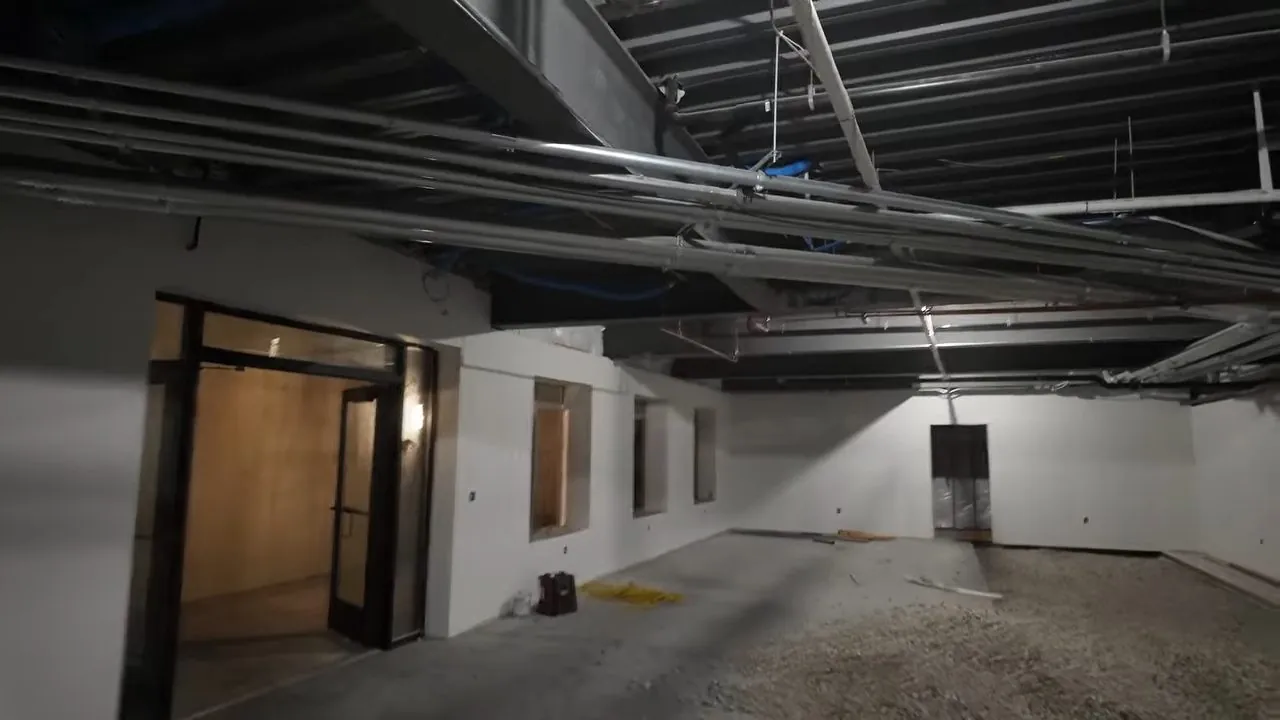
- Ask the plumber about a maintenance visit schedule and what each visit covers.
- Ask which items are inspected: drains, water heaters, shutoff valves and fixtures.
- Ask what happens when an urgent call comes between visits.
- Keep the visit reports. They show an insurer or landlord that the building was maintained.
A maintenance schedule works best when it matches how the building is used. A kitchen needs more frequent line cleaning than an office.
Kitchen grease lines and floor drains
Restaurants send grease down the same lines every day. Ask the Town, or whichever utility serves your address, if your business needs a grease trap or interceptor and who inspects it. The answer depends on your location and use, and a plumber cannot guess it for you.
If a trap or interceptor is required, ask how often it must be pumped and cleaned and who keeps the records. An inspector asking for those records is a poor time to find out nobody kept them. Ask the plumber to note on each invoice the date and what was cleaned.
When a kitchen drain stops, the plumber can clear it with a cable or by jetting grease lines for a thorough scour. For smaller drain problems, see drain cleaning for kitchens.
Which license covers the job
South Carolina licenses residential plumbing contractors through its Department of Labor, Licensing and Regulation. Larger commercial jobs fall under the SC Contractors' Licensing Board instead. The license belongs to an individual, not the company.
Ask the plumber for the license holder's name and look it up on the state license lookup before work begins. Landlords, insurers and lenders sometimes ask for proof, so keep a copy of what you find.
Permits and who pulls them
Lexington County requires a permit to install or replace a plumbing system and exempts ordinary repairs and maintenance. Inside the Town of Lexington, the Town may have its own rules, and its permit rules were not confirmed for this page. Call the permit office that covers your address before work begins.
Ask the contractor to pull the permit. County guidance advises that a contractor doing the work pulls it, and a permit in the owner's name makes the owner responsible for any deficiencies.
Larger jobs that touch the building's sewer connection, such as a collapsed building lateral, usually need the most coordination with the utility and the permit office.
Hot water for a business: repair, replace or resize
A heater that was right for the building ten years ago may be wrong for how it is used now. A kitchen that added a dishwasher, or a salon that added chairs, draws more hot water than the original tank was sized for.
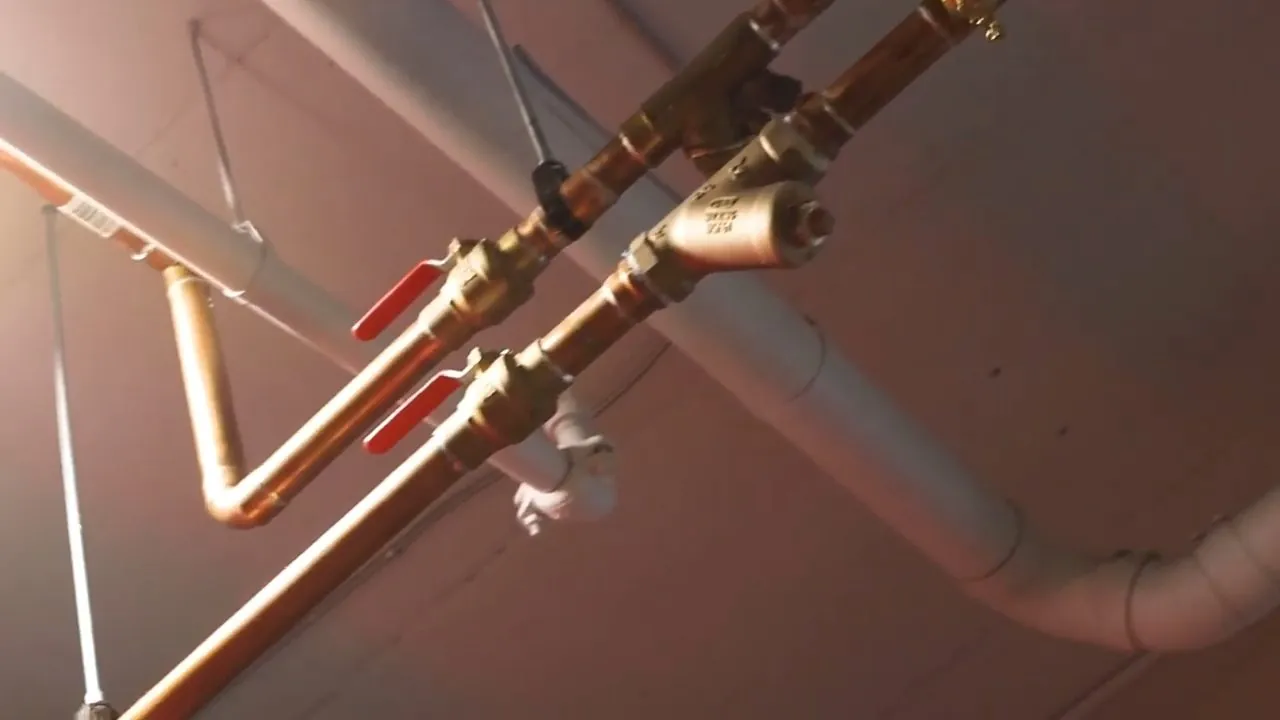
Ask the plumber to size the heater to your peak use, not to match the old unit. If you run a kitchen, ask your inspector or health department whether a temperature requirement applies, since that can change the equipment. The decision between repair and replacement follows the same logic as water heater replacement, with larger units and more venting.
What to ask for when a plumber quotes a commercial job
- A written scope that names the fixtures, lines and rooms involved.
- The hours the work will happen, so it can be done around opening times.
- Who signs for the work and who is billed, if a landlord reimburses you.
- Photos before and after, for the insurer and the property manager.
- Whether a permit is needed and who pulls it.
- An invoice that separates parts, labor and any after-hours work.
A quote you can hand to a landlord or insurer unchanged saves a second round of questions.
The first minutes of a plumbing emergency at a business
- Close the shutoff. Know where the building's main shutoff is, and mark it. Tenants should also know the shutoff for their own suite.
- Protect people. Cone off wet floors and keep customers and staff away from standing water or sewage.
- Tell the manager. Notify the property manager and your insurer, then photograph the damage before cleanup.
- Call us. Say it is a commercial property and what it is, so we send the right plumber.
Call now
- Water spreading into walls, ceilings or neighboring suites
- Sewage backing up from floor drains or restrooms
- No water to a restaurant, clinic or salon
- A water heater leaking steadily
Can wait for a scheduled visit
- A dripping faucet or slow single sink
- A toilet that runs between flushes
- One fixture with low pressure
- A request for a maintenance plan
If the leak has already reached carpet or ceiling tiles, drying a wet commercial space is the next step. For a failed heater, the new tank options page explains the decision.
For a sense of what commercial work costs before you call, plumbing cost ranges lists the factors, and the FAQs cover what happens on a call.
Plumbing problem at your business?
Call us, say it is a commercial property and give your ZIP code. One of our plumbers takes the call from there.
Call (833) 571-0120