
Lexington, SC · Hidden and slow leaks
High water bill or damp spot you cannot explain? Water leak detection services in Lexington, SC
A water bill that climbs with no change in habits, a damp spot on a wall or a sound of running water at night all point to a leak you cannot see. Fixing the wrong pipe wastes a repair. Finding the leak first is the part that matters. Below is how the water leak detection services Lexington SC homeowners call about find a leak before any wall is opened.
Call us and tell us what you have noticed and where. One of our plumbers can test the system, trace the leak and tell you what it will take to fix.
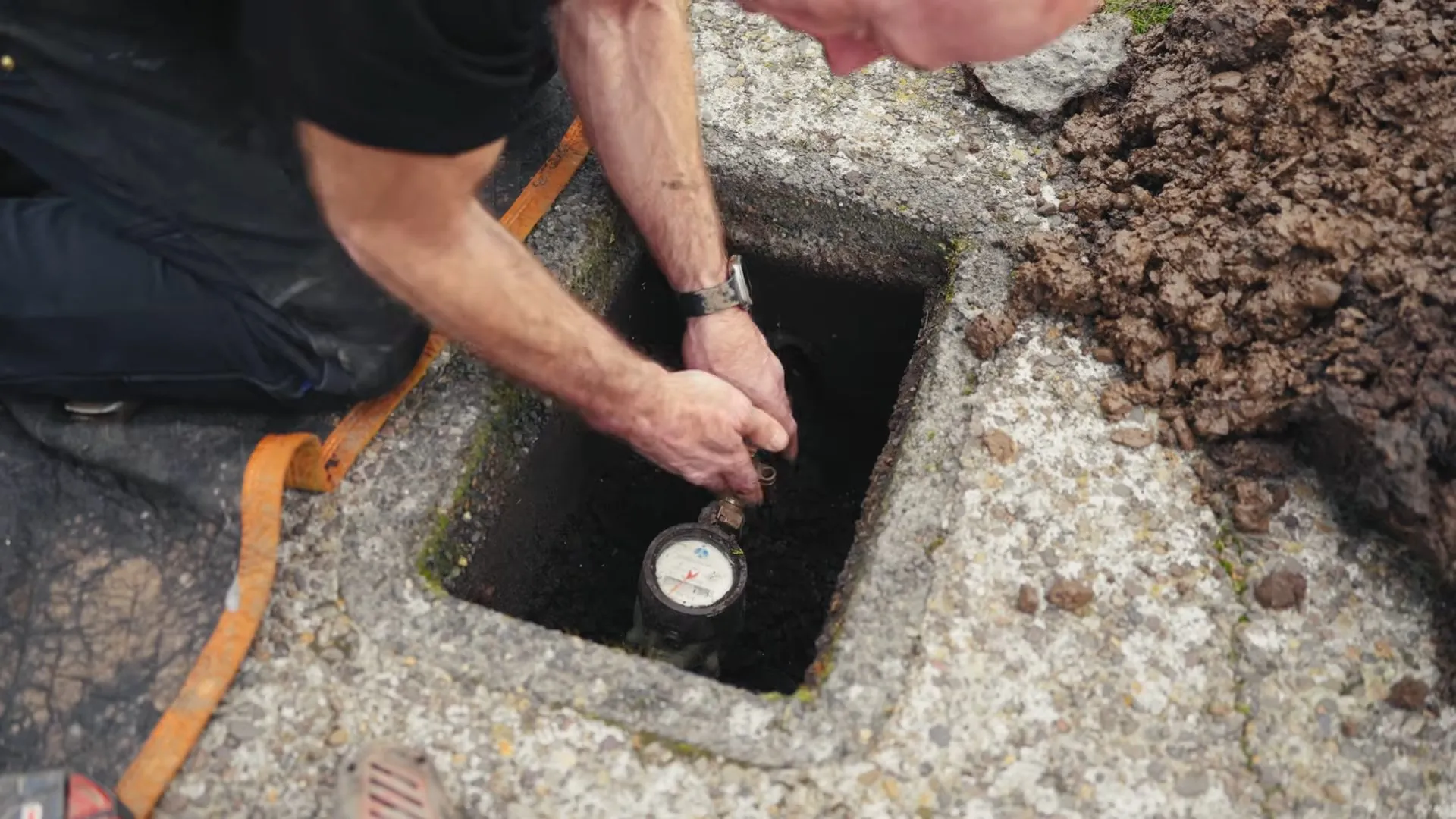
Is water actually leaking? Start with the meter
Before anyone is called, a ten-minute check tells you whether the house is losing water. It will not tell you where, but it saves a visit if the answer is no.
- Stop all water use. Close faucets, pause the washer and dishwasher, and check that no toilet is running.
- Read the meter. Note the numbers and the small leak-indicator dial or triangle, if it has one.
- Wait at least thirty minutes, ideally longer, then read it again. Any movement means water is leaving the system.
Other signs add weight to a positive test: a bill that rose with no change in use, the sound of water when everything is off, a warm patch on the floor, a musty smell, or low pressure at the tap.
The test has limits. An ice maker, a softener or an irrigation timer can move the dial, and a very slow leak can hide for hours. A negative result does not clear a leak that only appears under pressure at certain times.
Behind walls and above ceilings: plumbing or roof?
A stain tells you where water landed, not where it started. The timing narrows the source.
| What you notice | Points toward | Who to call |
|---|---|---|
| A stain that appears or grows only after rain | The roof, flashing or a gutter | A roofer |
| A stain that grows with no rain, or with a fixture running | A supply or drain line above | A plumber |
| A wet wall near a bathroom, kitchen or laundry | A supply line, a valve or a drain | A plumber |
| Peeling paint or bubbling drywall low on a wall | Moisture rising from a leak or from outside | Start with the meter test |
Ask the plumber to confirm the source with a moisture reading before a wall is cut, and to open the smallest hole that works. If the damage is already done, drying after a hidden leak should start soon after the source is stopped.
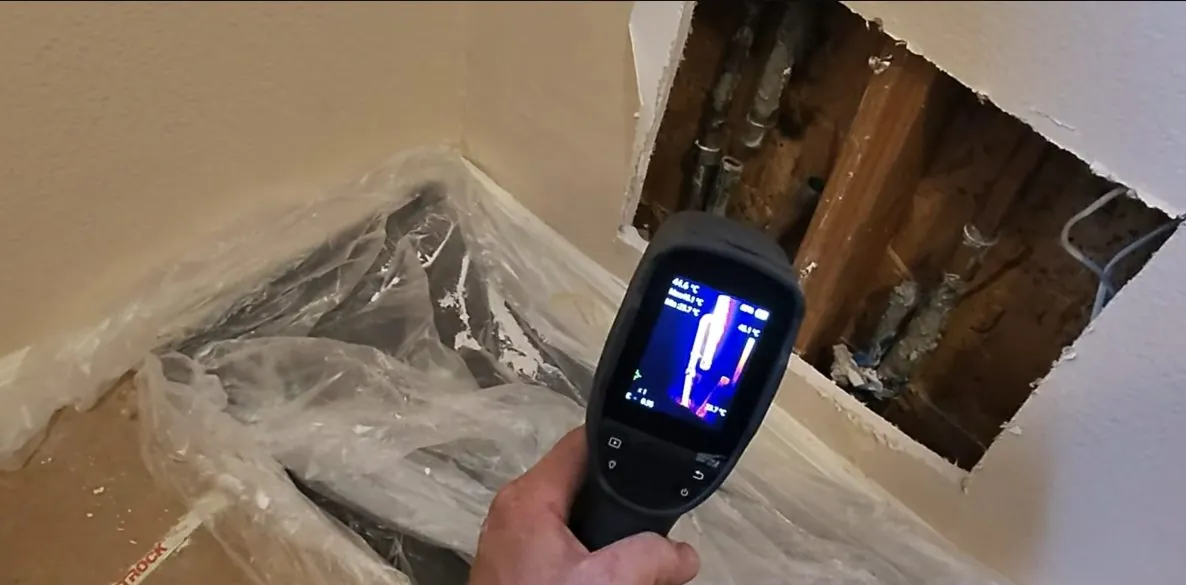
How a leak is located, and what to ask for
Different tools answer different questions. What matters to you is which one is being used for your leak and what it will and will not show.
- Acoustic listening picks up the sound of water escaping a pressurized pipe. Ask for the spot to be marked on the surface.
- Thermal imaging shows temperature differences from wet material or a hot water leak. Ask for the image as part of the report.
- Moisture meters confirm that a material is wet. Ask for the readings and the map of the wet area.
- Pressure testing and tracer gas isolate which line is losing water or air. Ask which line was isolated and how.
Ask for a written report: where the leak is, how it was found, photos and the repair options. A plumber who can show you the finding is easier to trust than one who describes it.
Yard, service line and irrigation leaks
A leak between the meter and the house, or in a sprinkler zone, rarely shows inside. You see a soggy patch, a strip of unusually green grass or a meter that moves with every tap closed.
- Turn the irrigation controller off and run the meter test again. If the movement stops, the leak is in a sprinkler zone.
- Run each zone separately and look for a zone that floods or loses pressure.
- Ask the water utility that bills you where its responsibility ends and yours begins. The meter is the usual dividing line, but ask.
- Ask the utility whether it offers an adjustment on a bill after a leak is fixed.
Call 811 through SC811 before anyone digs to repair a buried line. Lexington ZIP codes reach well beyond the Town, so confirm which utility serves your address before you call anyone about the meter.
Copper pinhole leaks
A pinhole leak is a tiny hole worn through a copper pipe from the inside, often spraying a fine mist that stains a wall. One can be repaired. Several in the same house suggest the pipe is wearing out.
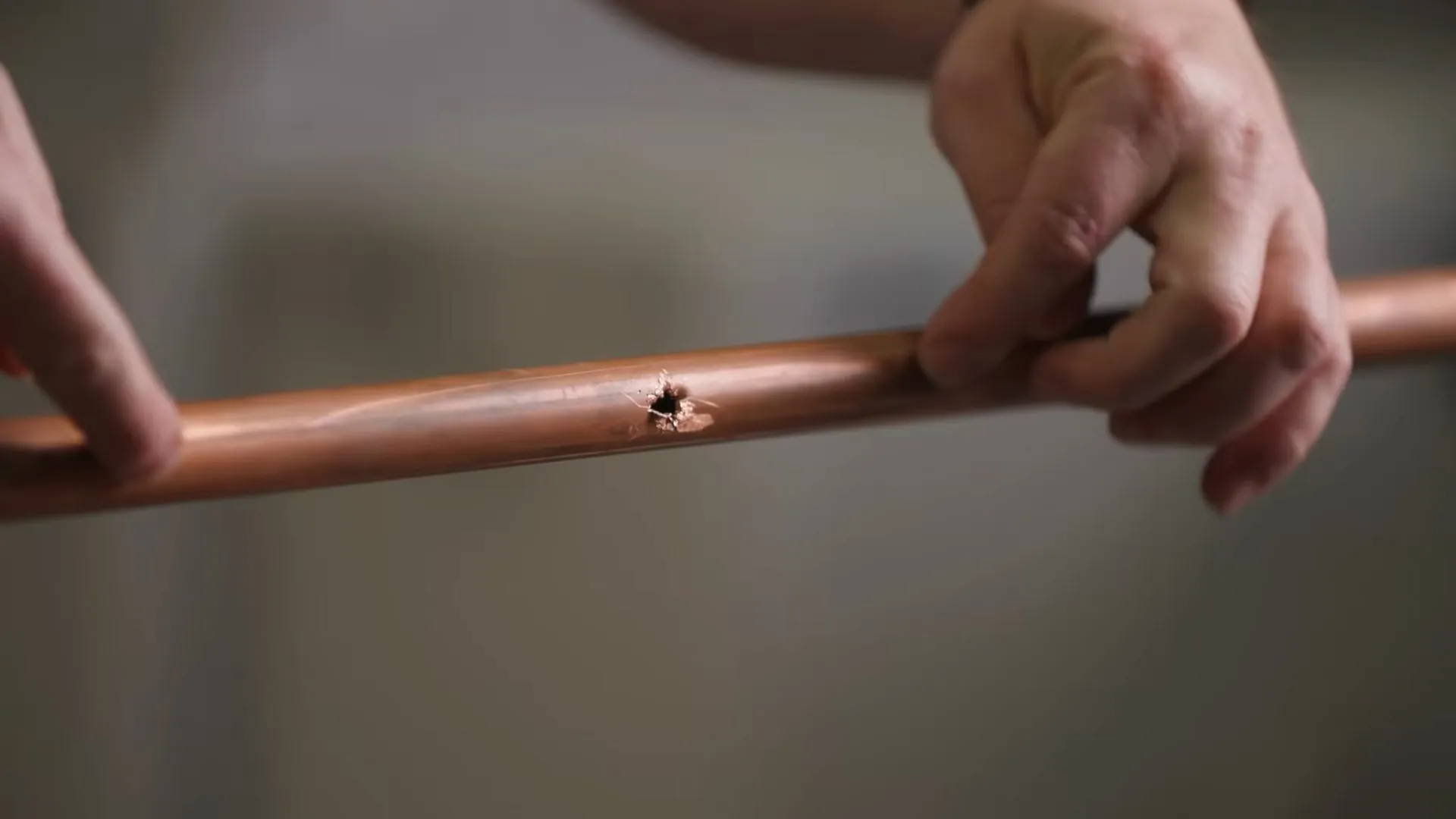
Ask the plumber how many pinholes were found, where they sit and what the pipe looks like inside near them. A single repair on a worn pipe can fail again nearby within months. If the pipe is thin along its length, replacing the section is the better question than patching one hole.
Before agreeing to a repair, ask for a look at the removed section or a photo of it. Copper that is pitted or thin on the inside tells a different story from a single flaw, and the photo lets you compare quotes for a patch against repiping the affected run. Note where each pinhole sat so a later leak can be matched to it.
Basement, pool and spa leaks
Water in a basement or low room can come from a plumbing line, a failed appliance hose or groundwater seepage. The meter test separates the first two from the third: if the meter is still, the water is probably coming from outside.
A pool or spa that loses water faster than evaporation is a mixed problem. A simple bucket test, set on a step with the water level marked inside and outside, shows whether the loss is more than evaporation. If it is, the leak may be in the shell, the equipment or the plumbing lines. Ask who covers each: our plumbers can test and repair the pipes, while a pool service is the better call for the shell and equipment.
For basement water that appears only after rain, the cause is usually seepage through the wall or floor rather than a pipe. A plumber can rule the pipes out quickly with the meter test, which saves paying for pipe work that was never the problem. Note when the water shows up and where, because that pattern helps whoever fixes the drainage.
Gas smells and commercial buildings
A gas smell is not a leak to trace yourself. Leave the house and call your gas utility or 911 from outside. Testing the piping afterward is covered under gas line testing.
If you smell gas near a water heater, range or dryer, treat it the same way. Do not switch lights or appliances on or off, and do not look for the source. The utility has the equipment to check the meter and the line up to it, and a plumber takes over from the meter once the utility says the area is safe.
In a shop, restaurant or office, a hidden leak affects the landlord, other tenants and your insurer. Tell the property manager before anything is opened, photograph the damage and ask for a written report. Commercial building leaks covers who owns which pipe.
When to call now, and what a visit includes
A leak consultation starts with questions: when you noticed the sign, what has changed and what the meter does. From that, a plumber chooses the tests and tells you before the visit what each one will show. A repair is quoted after the leak is found, not before, so the quote names the actual pipe.
Call now
- Water coming through a ceiling or wall
- A meter that spins with everything off
- Wet or warm floors with no known cause
- Water near electrical outlets or a panel
Can wait for a scheduled visit
- A bill that crept up over several months
- A slow drip under a sink
- A damp spot that is not growing
- A toilet that runs from time to time
A silently leaking toilet is a common source. Finding silent toilet leaks covers the dye test. For what a leak visit costs, leak detection cost factors lists what moves a quote. Look up the license holder on the state license lookup before work begins.
Leak you cannot find?
Call us and describe what you have noticed. One of our plumbers can test the system and trace it.
Call (833) 571-0120