
Lexington, SC · Drains and clogs
Slow sink, gurgling tub or backed-up floor drain? Drain cleaning services in Lexington, SC
One slow sink usually means a clog in that fixture's own trap or branch pipe. A tub that gurgles when the washer drains, or a floor drain that fills with dirty water, means the blockage has moved deeper into the house. Where the clog sits decides what the visit involves, so that is the first thing to work out.
Call us and tell us which drains are affected. One of our plumbers can clear the line, and a camera shows why it clogged if it keeps coming back.
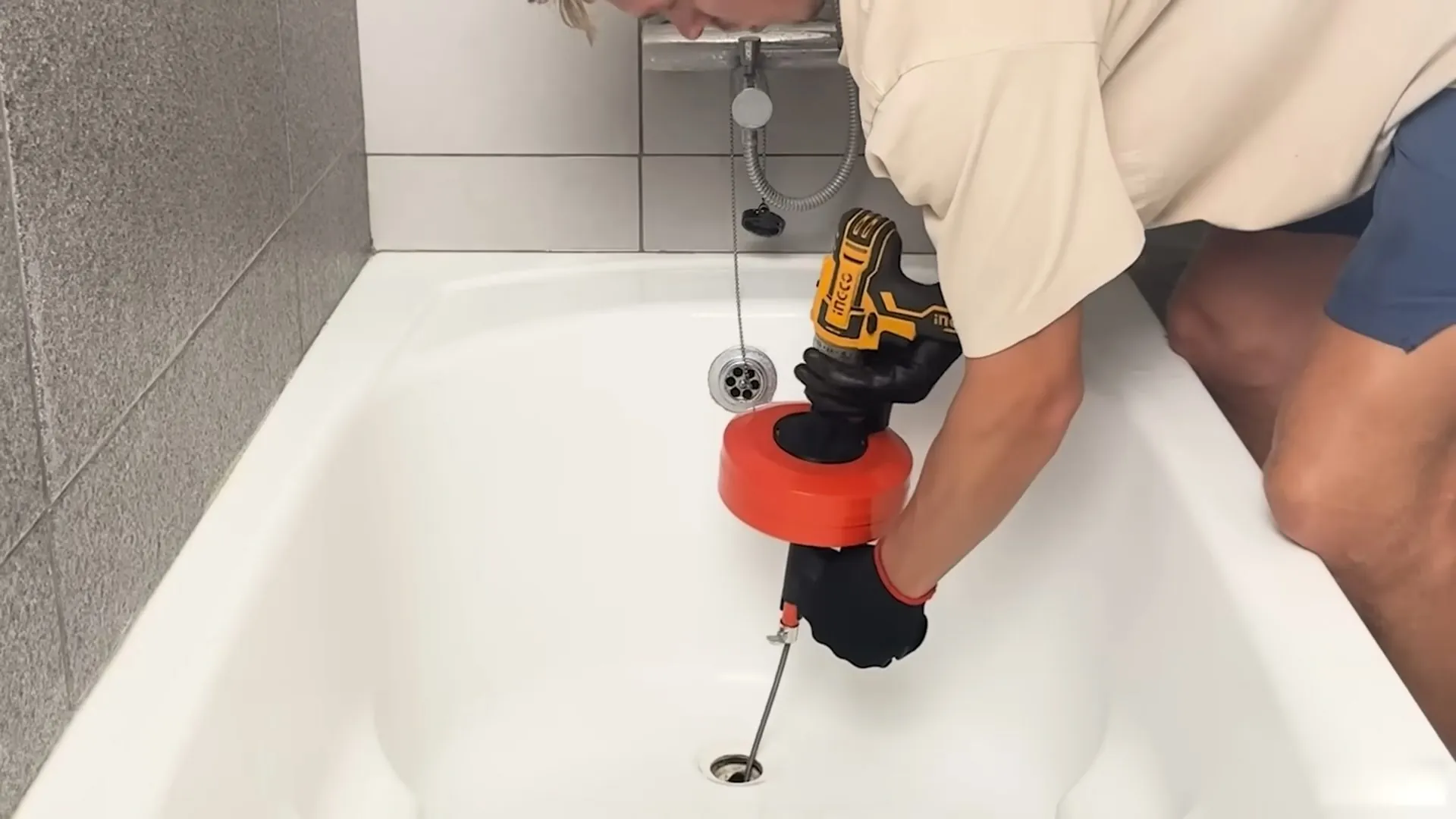
Is it one drain or the whole house?
Run water at each sink, flush each toilet and check the lowest drain in the house, usually a basement or ground-floor tub or shower. The checks take five minutes and need no tools. They tell you which pipe is blocked, though they cannot tell you what is blocking it.
| What you notice | Where the clog likely sits | What it means for the visit |
|---|---|---|
| One sink or tub drains slowly | That fixture's trap or the short branch behind it | Usually a quick clearing at the fixture, with no camera or digging at first. |
| Two or three fixtures on one floor back up together | A shared branch line | The plumber clears the branch and checks whether the clog is returning. |
| Toilets gurgle when the tub or washer drains | The main drain line leaving the house | A cable machine through the cleanout, often followed by a camera look. |
| Dirty water rises in the lowest tub, shower or floor drain | The main line, downstream of every fixture | Stop using water and call now. |
Write down what you saw and when it started. A plumber who hears that the basement shower backed up while the washer drained can head for the main cleanout before arriving.
Whose line is blocked: yours or the Town's?
If the stoppage is in the pipe under your yard or the street, the next question is who maintains that stretch. The Town of Lexington provides sewer service to its customers, and its customer service line is (803) 358-1581. Call it if neighbors have the same backup, or if a camera shows the blockage past your property line.
Lexington mailing addresses stretch well beyond the Town. ZIP codes 29072 and 29073 are far larger than the Town itself, so your home may sit in unincorporated Lexington County with a different sewer or water utility. Ask the utility that bills you where its responsibility ends and yours begins.
Ask your plumber to note on the invoice where the blockage was and how far it sat from the cleanout. That record settles the question if a utility needs convincing.
Cable, jetter or camera: what to ask for
A cable machine bores through a clog and restores flow. It does not show why the pipe clogged, and it can leave grease on the pipe walls to rebuild. If the same drain stops again within weeks, ask for a camera inspection before the next cable run.
- Ask the plumber to record the camera pass and send you the video.
- Ask how many feet from the cleanout the problem sits.
- Ask whether the pipe is sagging, cracked, offset or only coated.
- Ask which fix is on the table, cable, jetting or repair, and why.
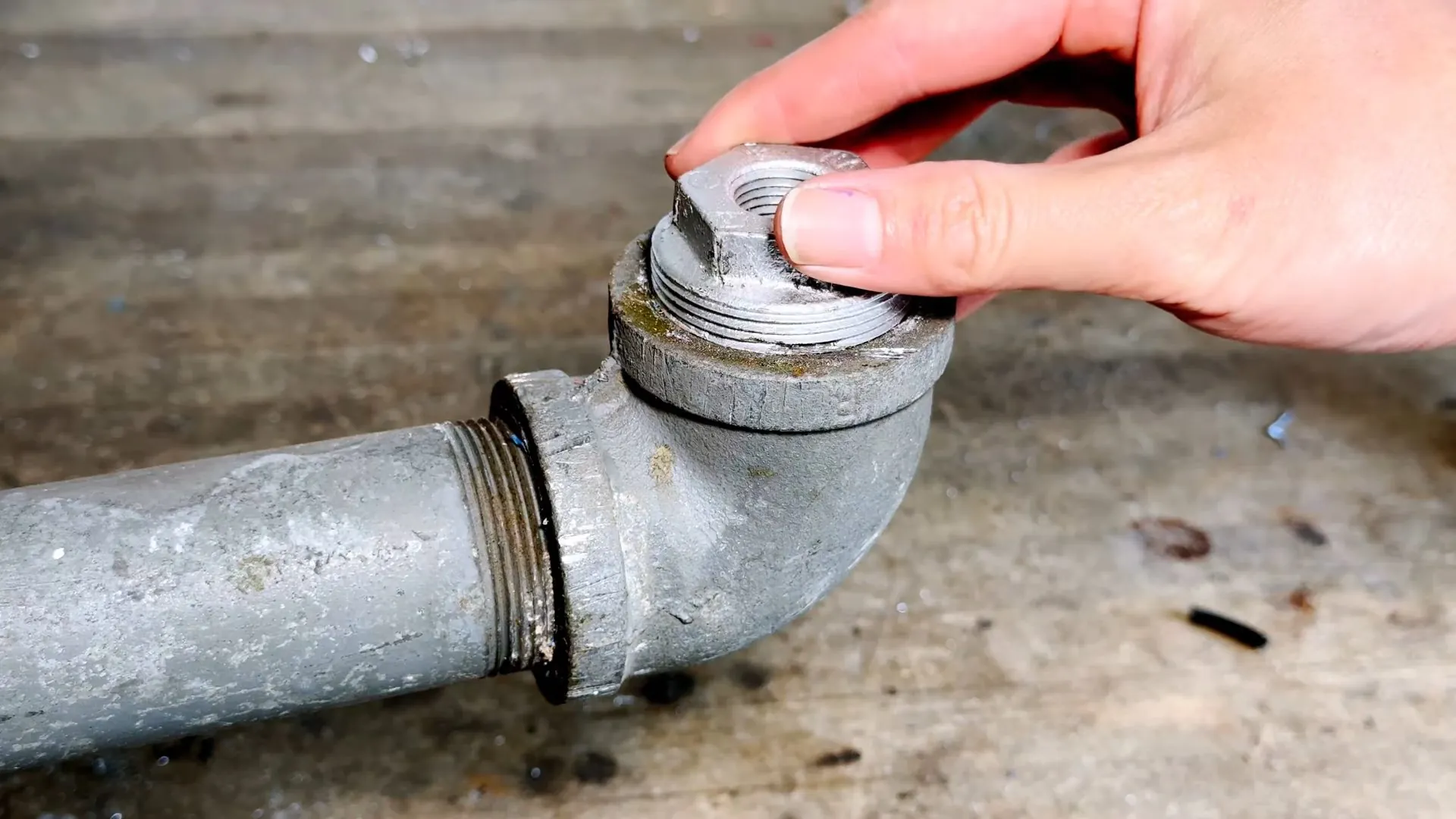
Grease and roots respond better to scouring than to a cable. If that is what the camera shows, jetting the line may hold longer. A cracked or collapsed section is no longer a drain cleaning job. It moves to sewer line problems and a repair decision.
What is clogging it: kitchen, bathroom or laundry
- Kitchen: cooking grease cools and coats the pipe, and hot water does not carry it far. A jam at the disposal is a separate problem, covered under a jammed disposal.
- Bathroom: hair and soap scum build up at the tub or shower trap. Wipes sold as flushable do not break down like toilet paper.
- Laundry: lint collects in the standpipe. If the standpipe overflows before the washer finishes, the drain is slow, not the washer.
- Floor drain: a rarely used drain can dry out and smell. One that backs up when the washer runs is connected to the main line.
Tell the plumber if you poured a chemical drain opener. It can sit in a blocked pipe and burn skin when the line is opened, so it is not a safe substitute for a visit.
Yard drains, downspout lines and French drains
Rain has its own pipes. A downspout line, a catch basin or a French drain carries stormwater, not household waste, and it is normally separate from your sewer line. When one clogs, you see pooling in the yard, soggy ground by the foundation or a downspout that overflows at the base.
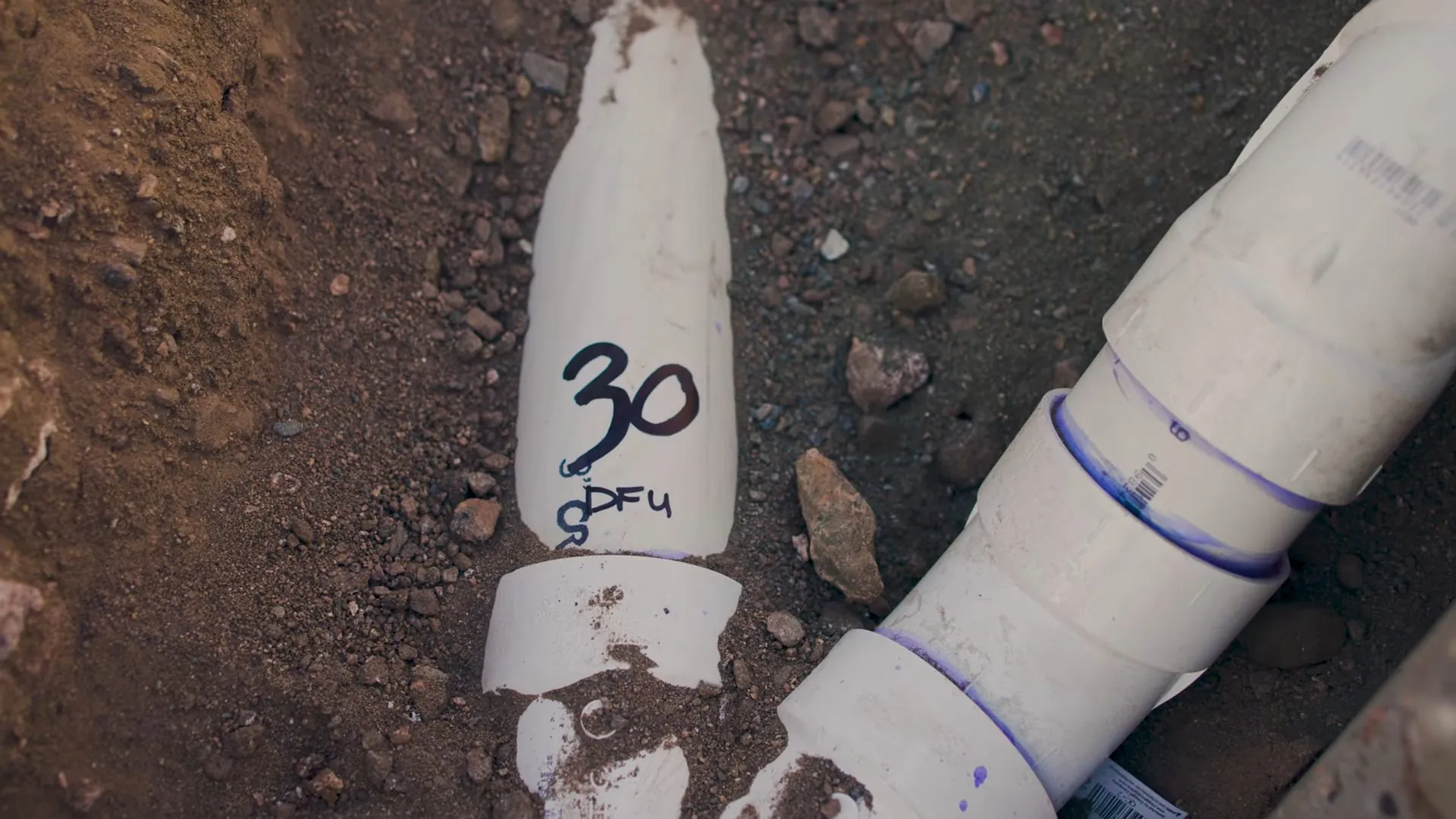
Leaves, silt and roots are the usual causes. A cable or jetter clears the line, and a camera shows where it is crushed or where roots entered. Call 811 through SC811 before anyone digs to replace a buried line, so utility lines are marked first.
Water pooling against the house is a foundation concern as well. The plumber can clear the line, but grading and gutters belong to a landscaper or roofer.
Restaurant, shop and office drains
Kitchens put grease into drains all day. In a restaurant the grease line is the one that fails first, and a backup closes the dining room. Ask the Town or the utility that serves you if your business needs a grease trap or interceptor and who inspects it, because the answer depends on your location and your use.
A cleaning schedule set around your menu and volume keeps grease from building up between visits. Businesses with more than a kitchen drain to worry about can read about shop and restaurant plumbing.
Floor drains in a kitchen fail differently from sinks. A grease-coated floor drain smells first and backs up when the dishwasher discharges. Tell the plumber which equipment drains where, so the line that actually carries the grease is the one that gets cleaned and checked on camera.
Call now or wait for a scheduled visit
Call now
- Dirty water rising in the lowest tub, shower or floor drain
- More than one fixture backed up at the same time
- A sewage smell inside the house
- Water on the floor from a floor drain
Can wait for a scheduled visit
- One slow bathroom or kitchen sink while the rest drain normally
- A drain that gurgles once and clears
- A laundry standpipe that fills but empties slowly
- A yard drain that is slow but not flooding
If water reaches outlets, appliances or the electrical panel, stay clear and call an electrician or 911.
Price depends on where the clog sits and how reachable the cleanout is. How drain work is priced lists the factors, and the plumbing questions answered page covers what happens when you call.
Drain backing up now?
Call us, give your ZIP code and describe which drains are affected. One of our plumbers takes it from there.
Call (833) 571-0120