
Lexington, SC · Typical ranges, not quotes
Plumbing cost ranges for Lexington, SC homeowners and what moves the price
A price given over the phone before anyone has seen the pipe is a guess. This page shows wide ranges for common jobs and, more usefully, the things that push a job toward the low or high end, so you can judge a quote when you get one.
The ranges are not quotes and not offers. They come from published cost guides and the workbook behind this site, and we did not find a published price source specific to Lexington. Treat them as a starting point.
What common plumbing jobs usually cost
These ranges are wide on purpose. Each one covers a typical job done under ordinary conditions. A cramped crawl space, a long pipe run or a code upgrade can put a job above the range, and a plain swap in an easy location can land below it.
| Job | Typical range | What moves it most |
|---|---|---|
| Tank water heater replacement | $1,200 to $4,000 | Tank size, gas or electric venting, expansion tank and code upgrades |
| Tankless water heater installation | $2,500 to $6,500 | Gas line sizing, panel capacity, exterior venting |
| Whole-house repiping and pipe replacement | $1,500 to $15,000 | Number of fixtures and floors, access behind drywall or under concrete, material, permit and wall patching |
| Mechanical snake drain cleaning | A few hundred dollars | Cleanout access and whether the clog is in a branch line or the main |
| Hydro jetting a sewer main | $350 to $1,000 | Footage of pipe, roots or grease, and cleanout access |
| Slab leak detection and repair | $500 to $5,000 | Time to locate the leak, foundation depth, breaking concrete or rerouting overhead |
| Trenchless sewer pipe lining | $2,000 to $10,000 | Length lined, pipe diameter and the condition of the old pipe |
| Garbage disposal replacement | $200 to $550 | Motor size, outlet access and sink flange type |
| Gas line repair | $150 to $3,000 | Length of pipe, pressure testing and where the pipe runs |
Ranges are wide estimates for planning, not quotes. They exclude the work of other trades, such as drywall, flooring or electrical repairs that a plumbing job can uncover.
Why one price cannot be set before the pipe is seen
The same symptom can come from very different problems. A slow drain may be a hair clog in a sink trap or roots in a line under the yard. A wet spot in a floor may be a loose fitting or a leak under a slab. The price follows the cause, and the cause is found by looking.
For that reason, be wary of a flat number for a job that has not been assessed. Ask what the number includes, what would change it and how the plumber will tell you if the job turns out to be bigger. A good answer is specific, such as a camera inspection of the line first, and then a written price for the work it shows.
- Ask what the price covers and what would raise it.
- Ask whether the permit, if one is needed, is in the quote.
- Ask how you will be told before any added work is done.
- Get the scope in writing before the work starts.
Tank or tankless: what separates the two price ranges
A tankless unit costs more up front mostly because of what it needs around it. It often calls for a larger gas line, more electrical capacity or new venting through an outside wall, and each of those is its own piece of work. A tank swap usually reuses what is already there.
If your current heater is the right size and the connections are sound, replacing it with a tank is the lower-cost path. If you want to move to tankless, ask the plumber to check the gas line size and the venting before quoting, since those two items decide most of the difference. Our tankless water heater page explains what that check involves.
Repair is a separate choice. A tank that leaks from the body is normally replaced, while a heater with a failed element or thermostat may be repaired, which is covered on the water heater repair page. Lexington County's permit rules for installing or replacing plumbing systems may apply to a replacement, so ask who pulls the permit and whether it is in the price.
Snaking or hydro jetting: when the higher price is worth it
A mechanical snake punches a hole through a clog and is the lower-cost option for a single sink, tub or toilet drain. Hydro jetting uses pressurized water to scour the walls of the pipe, which matters when grease or roots have narrowed a main line and the clog keeps coming back.
| Question | Snaking | Hydro jetting |
|---|---|---|
| Best fit | A single fixture or a fresh clog | A main line that clogs again, or heavy grease or roots |
| Access needed | A trap or cleanout | A cleanout, which a plumber may need to add |
| Price pattern | Lower range | Higher range |
Footage and access decide most of the jetting price. A line that has a cleanout near the house is quicker than one that has none. If the pipe is cracked or collapsed, jetting is not the answer, which is why a camera look comes first. The full comparison is on our hydro jetting page, and a single slow drain belongs on clearing a clogged drain.
Sewer repair or pipe lining: what a camera inspection changes
We do not publish a range for digging up and replacing a sewer line, because length, depth and what lies above the pipe vary too much. A pipe under a driveway costs far more to reach than one under a lawn.
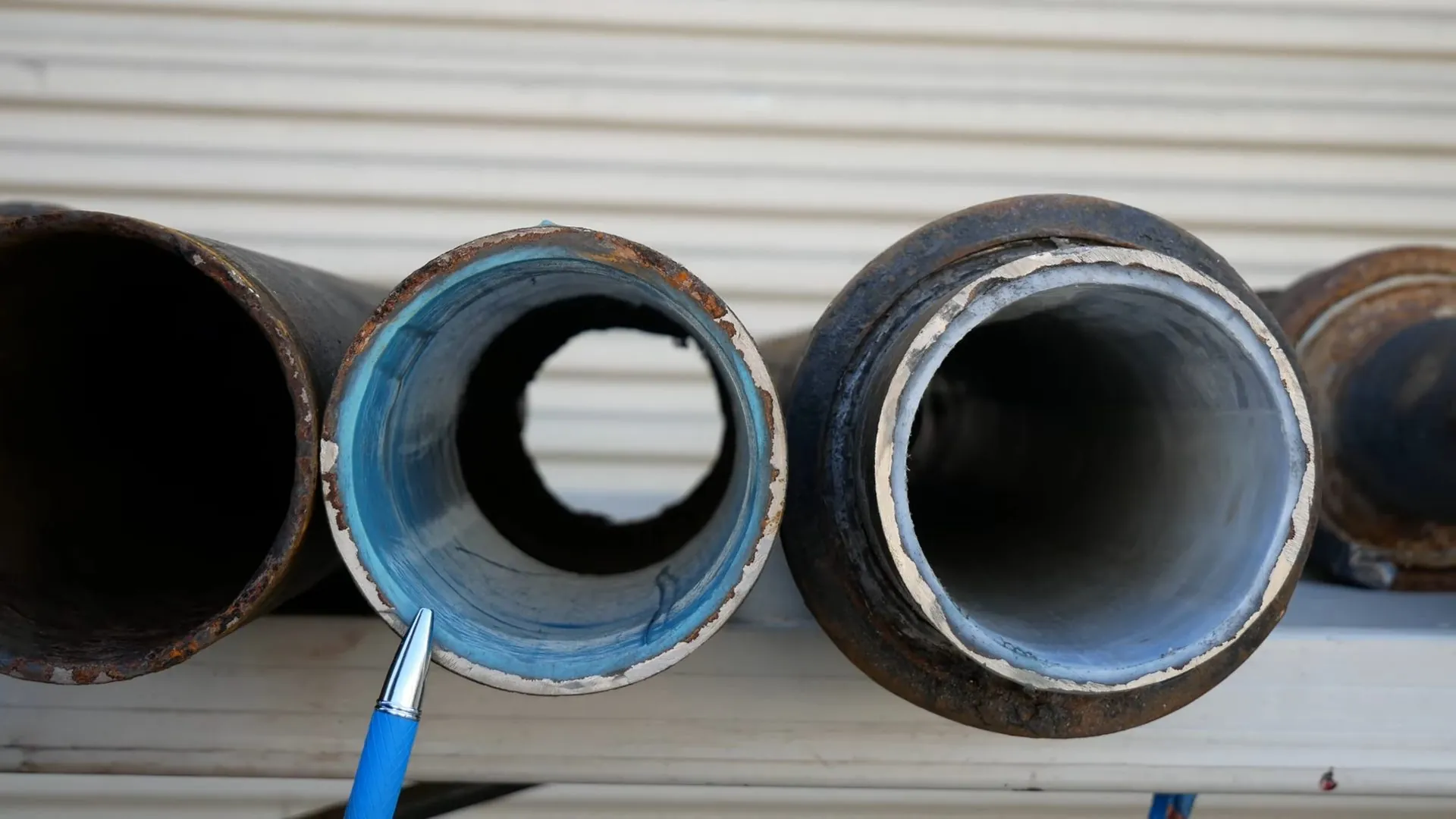
Lining the pipe from the inside avoids most of the digging, and its price follows the length lined and the pipe diameter. Lining only works when the old pipe is still in shape to hold it. A camera inspection shows which is possible, so ask for the footage and a note of where the damage is before agreeing to either.
- Ask for the camera recording and where the damage sits.
- Ask how far the problem is from the house and from the street.
- Ask whether the pipe can be lined or must be dug.
- Call SC811 before any digging in the yard.
Whose pipe it is also affects who pays. The Town of Lexington runs sewer service at (803) 358-1581, and the private side of the connection is the owner's to ask about. Our pages on sewer line repair and lining without digging cover both paths.
Repipe or pipe replacement: why the range spans such a wide gap
The range for whole-house repiping runs from a small one-bathroom home at the low end to a large multistory house with many fixtures at the high end. Published guides put labor at roughly seven tenths of the bill, which is why the number of fixtures and the ease of reaching the pipes matter so much.
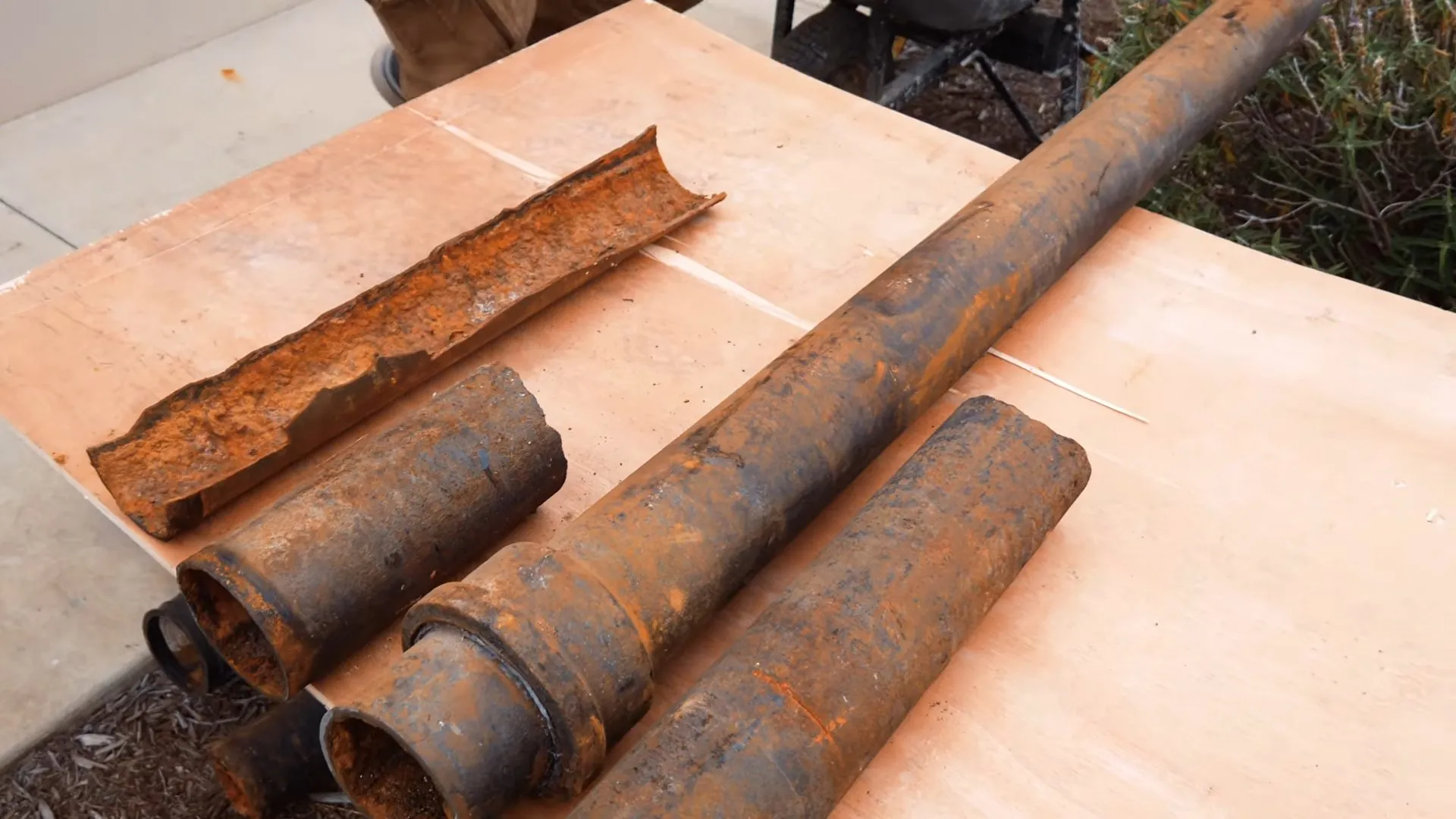
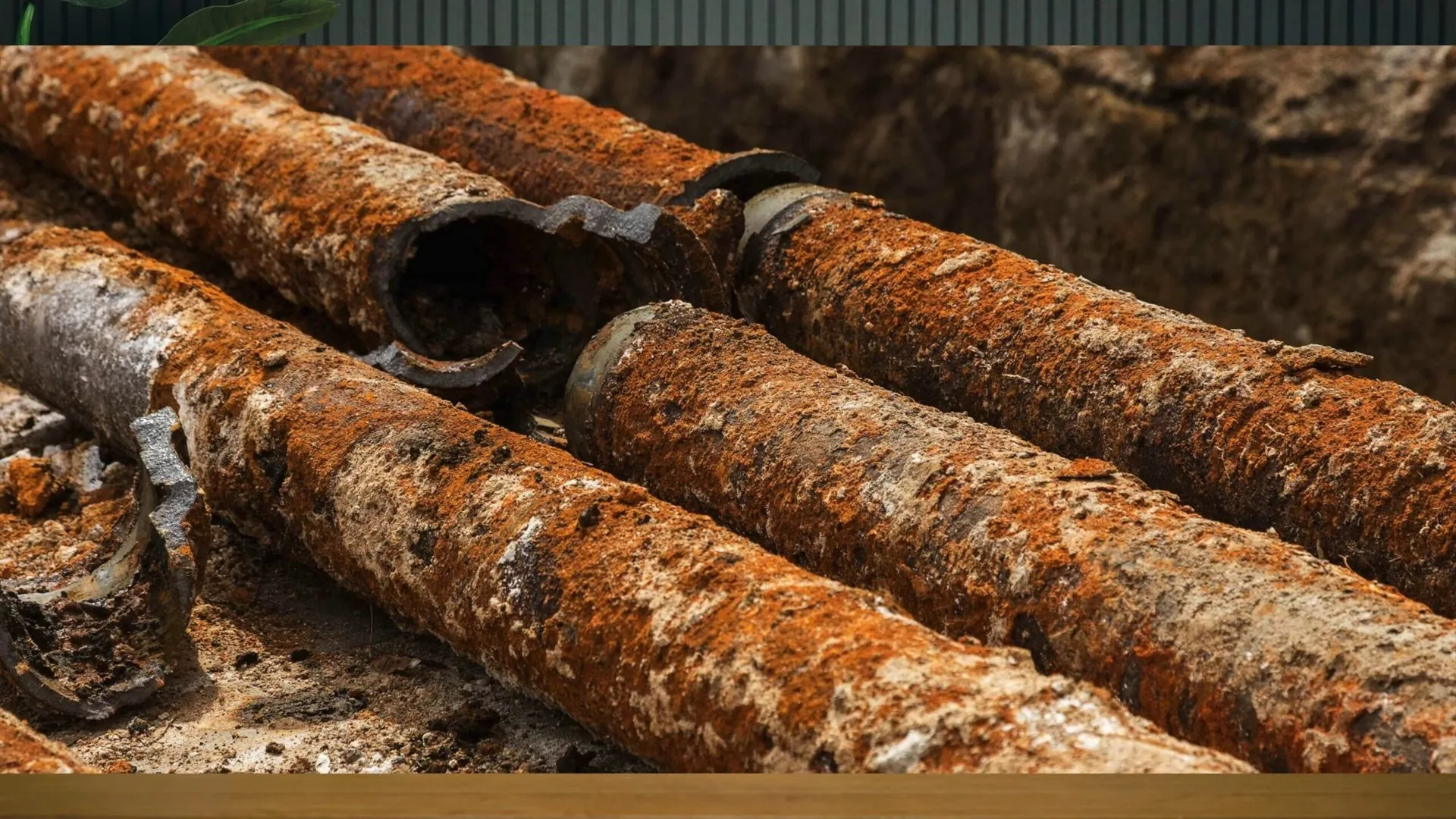
Pipes behind drywall cost less to reach than pipes under a slab, and a repair of the walls afterward is often a separate trade. The permit and inspection are part of the job where Lexington County requires one for replacing a plumbing system. A repair of one section costs far less than a repipe, so the first decision is whether one section is the real problem. Our repiping and pipe replacement page explains how to tell.
- Ask how many fixtures and floors are in the scope.
- Ask where the walls will be opened and who patches them.
- Ask which pipe material is quoted.
- Ask whether the permit and the inspection are in the price.
Leak hunting and slab work: why the range is so wide
Finding a hidden leak is a different job from fixing it. Locating the leak takes time, and the price of the repair depends on where the pipe is. A leak in an accessible wall is a small repair, while one under a slab may need concrete broken out or the line rerouted overhead.
Start with your meter, which can tell you that water is leaking but not where. The steps are on our leak detection page, and the slab-specific options are on slab-specific repair options. Ask the plumber to document where the leak was found, in photographs if possible, since an insurer may ask for it.
What a written plumbing quote should list
Before you agree to a price, ask for the scope in writing. A usable quote names the work, the parts or the unit installed, whether the permit is included, and what happens if the job changes.
- Ask for the name of the license holder and look it up on the state license lookup.
- Ask for the work, the parts and the permit in writing.
- Ask what would change the price and how you will be told.
- Compare it with a second in-person quote on larger jobs.
- Keep the quote and any photographs with your records.
South Carolina requires a license for residential plumbing work above a small dollar threshold, and the license is held by the individual. Our plumbing FAQs explain how to check one and who pulls the permit.
Want a plumber's assessment?
Call us and describe the job. One of our plumbers will tell you what would raise or lower the price before any work starts.
Call (833) 571-0120