
Lexington, SC · Repipe, pipe repair and pipe replacement
Repipe, pipe repair or full pipe replacement? Whole-house repiping and pipe replacement in Lexington, SC explained
Pipes do not fail on a schedule, but they do send signals: a pinhole leak that returns after a repair, rusty water when a tap opens, pressure that has faded over the years. Each one raises the same question, which is whether to repair one section or replace the lines throughout the house.
Call us and describe what you see. One of our plumbers can tell you whether a repair is likely to hold or whether it is time to talk about a repipe.
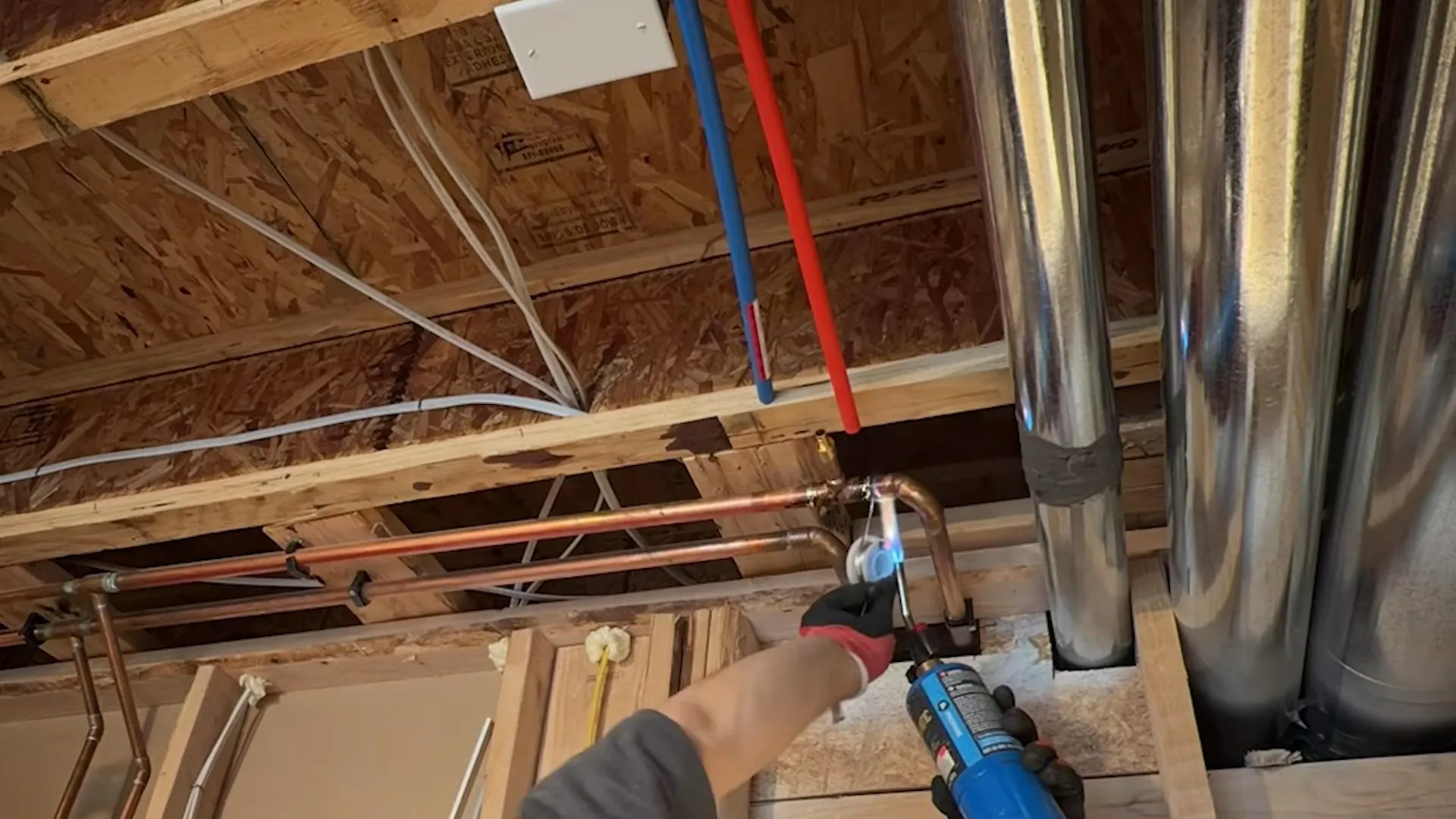
Whole-house repiping and pipe replacement: what the warning signs mean
No single sign proves that a house needs new pipes. A repipe is a large job, so the useful question is whether the evidence points to one failing spot or to pipe that is wearing out everywhere. The signs below help you tell the difference before anyone gives you a number.
| What you notice | What it can mean | What to do first |
|---|---|---|
| A leak that returns after a repair | The pipe around the repair is thin or corroded | Ask the plumber what the pipe looks like on either side of the repair. |
| Pinhole leaks or damp spots at several points | Pipe wearing out in more than one place | Photograph each spot and ask for a pipe condition assessment. |
| Rusty, brown or yellow water at the tap | Corrosion inside older metal pipe, or sediment from the water heater | Run the cold tap, then the hot, and tell the plumber which one is discolored. |
| Low pressure at several fixtures | Mineral buildup narrowing the pipe, or a failing valve | Test pressure at an outdoor spigot and at a fixture to compare. |
| Water pressure that changes when a second fixture runs | Narrowed or corroded supply lines | Note which fixtures are affected and when. |
Discolored water is not a reason to drink it, so avoid using it for drinking or cooking until a plumber has looked. A single leak with healthy pipe on both sides is a repair. A pattern of leaks, or discolored water from the cold tap and the hot, is the pattern that makes a repipe worth pricing.
Pipe repair or pipe replacement: repairing a section versus the whole house
A section repair makes sense when the failure is a single fitting, a single joint or one damaged length, and the pipe near it is sound. Replacing the whole system makes sense when repairs keep recurring, when the material itself is known to fail or when opening the wall for the next repair costs about as much as doing it all at once.
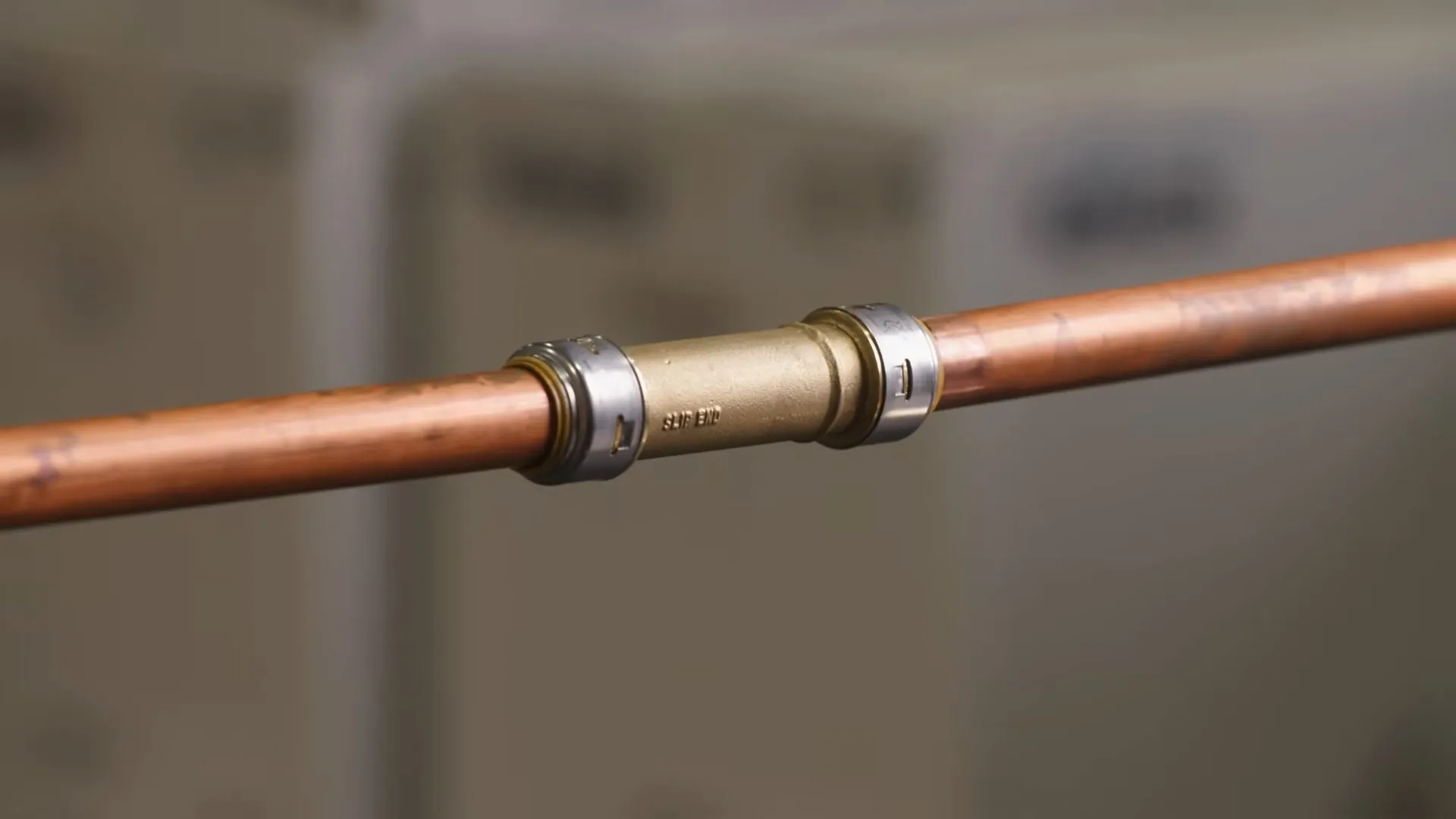
- Repair when the leak is isolated and the pipe on both sides looks healthy.
- Replace a section when one run, such as a bathroom branch, is the only problem area.
- Price a full repipe when leaks repeat, the water is discolored or the material is known to fail.
- Ask the plumber to show you the pipe, a photo of it or the removed section.
Whatever the plumber recommends, ask what would have to be true for the opposite choice to be right. A plumber who can explain the repair option you are not choosing is usually describing the pipe honestly. If a leak is hidden, pinpointing where the water escapes comes first, because repairing the wrong spot wastes the visit.
Ask the plumber to document what they find: where each leak was, what the pipe looked like and how far the damage seems to extend. That record helps you compare quotes, and an insurer may ask for it if water has already damaged the house.
Galvanized, polybutylene, copper, CPVC or PEX: what your pipes are made of
The pipe material shapes the repipe decision more than the age of the house does. We cannot tell you what is in your walls from the street, and nobody should claim it without looking. The plumber can usually read it at the water heater, under a sink or in an attic or crawl space.
| Material | What to know | Where it tends to show up |
|---|---|---|
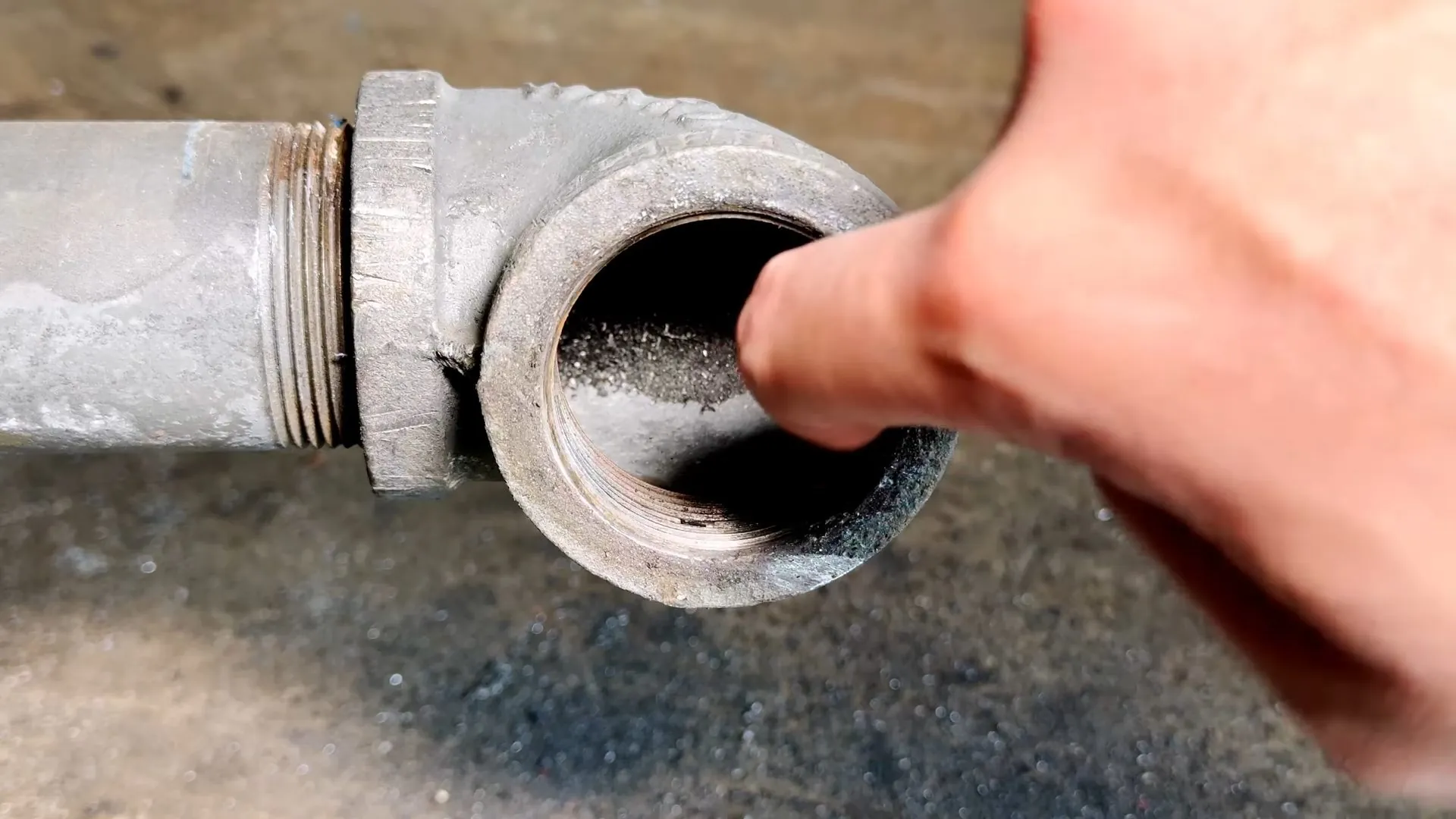
| Galvanized steel | Rusts and narrows from the inside over time, which lowers pressure | Older homes, often visible at the water heater |
| Polybutylene (gray or blue plastic, often marked PB) | Used from the late 1970s to the mid-1990s, breaks down with chlorinated water and is generally replaced rather than repaired | Homes of that era; check under sinks and at the heater |
| Copper | Long-lived, but can corrode or develop pinhole leaks in some conditions | Many homes of many ages |
| CPVC | Rigid plastic used for supply lines; can become brittle with age | Mid-age and newer homes |
| PEX | Flexible plastic, common in repipes because it threads through walls with fewer cuts | Newer homes and repipe jobs |
If your house was built between the late 1970s and the mid-1990s, check for polybutylene. Some insurers decline coverage, raise rates or exclude leaks from it, so ask your insurer before the work starts and keep the plumber's written record of what was found. We did not find a Lexington-specific list of which neighborhoods have it, so we do not name any.
What a repipe involves: water shutoff, wall access and drywall patching
A repipe replaces the supply lines that carry water to every fixture. The plumber shuts the water off, cuts openings in walls or ceilings to reach the old lines, runs new pipe and then pressure tests the system before it is closed up. The water is off for part of each working day, so plan for showers, laundry and cooking.
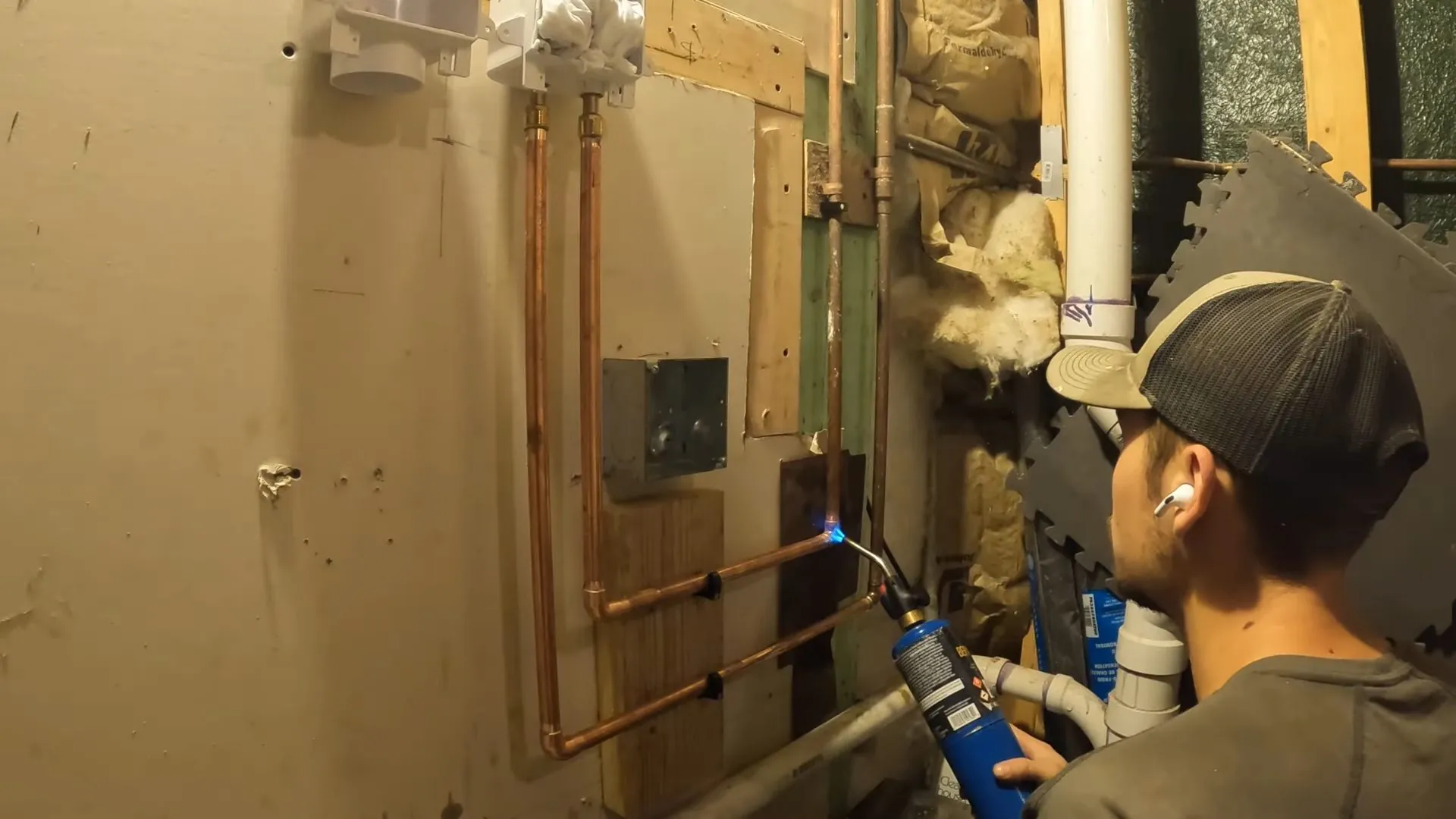
- Walk the house with the plumber and agree where each new line will run.
- Agree the schedule, including when the water will be off each day.
- Move furniture and valuables away from walls that will be opened.
- Expect openings in drywall or ceilings, and ask who patches and paints them.
- Ask to see the pressure test before the walls are closed.
- Keep the written scope, the permit record and any inspection sign-off.
A small home can take a few days, and a large multistory house with many fixtures can take several weeks, according to published repipe guides. Ask for a schedule in writing, and for the plumber to say what could extend it. Drywall repair and painting is often handled by a separate contractor, so ask whether it is in the quote or is yours to arrange.
Pipes under a concrete slab are a different job, because reaching them means breaking concrete or rerouting the lines overhead. See slab lines and rerouting options before you assume the whole house has to be opened.
Permits, licenses and who pulls the paperwork for a repipe in Lexington
Lexington County requires a permit to install, enlarge, renovate, convert or replace a plumbing system, and exempts ordinary repairs and maintenance. Replacing the supply piping in a house reads as replacing a plumbing system, so ask the plumber to say in writing who pulls the permit and whether it is in the price.
A Lexington mailing address does not tell you which office applies. The ZIP codes 29072 and 29073 hold far more people than the Town of Lexington does, so many addresses are in unincorporated Lexington County, and some near Columbia are in Richland County. We could not confirm the Town of Lexington's own plumbing permit rules, so ask the Town if your parcel is inside it.
- Confirm if your parcel is in the Town or the County.
- Ask who pulls the permit, and put the answer in the quote.
- Ask whether an inspection is required and who is present for it.
- Avoid a permit in your own name unless you understand that it makes you responsible for deficient work.
South Carolina requires a residential plumbing license once the work passes a small dollar threshold, and the license is held by an individual. Ask for the license holder's name and look it up on the state license lookup before you sign anything. Our plumbing questions page explains how to check one.
What changes a repipe quote, and what to put in writing
We do not publish a price on this page, because a repipe is priced after the house has been walked. Our cost page shows a wide range and the factors behind it. The factors below are the ones that move a quote the most, and each is a question you can ask.
| Factor | Why it moves the price | What to ask |
|---|---|---|
| Number of fixtures and floors | More fixtures and a second story mean more pipe and more access work | How many fixtures are in the scope, and are any left out? |
| Access | Pipes behind drywall cost less to reach than pipes under concrete | Where will the walls be opened, and how many openings? |
| Material | Copper, PEX and CPVC differ in material cost and in labor | Which material is quoted, and why? |
| Permit and inspection | Required work adds fees and a visit | Is the permit in the price, and who is at the inspection? |
| Patching and painting | Wall repair is often a separate trade | Is patching included, or is it yours to arrange? |
Labor is the largest share of most repipe bills, according to published cost guides, so a very low number usually means something is left out. Compare two written quotes on the same scope before you decide, and ask each plumber to name the material, the number of fixtures and what happens if a hidden problem turns up.
Repiping alongside the water heater, fixtures and water damage
A repipe opens walls that are otherwise closed, which is the best moment to replace the things behind them. A water heater that is near the end of its life, shutoff valves that no longer seal and stop valves under sinks are worth pricing while the lines are open.
If the old pipes have already leaked into a wall or a ceiling, deal with the wet materials first. Our water removal and drying page explains what that involves, and a replacement tank is covered under replacing the water heater. Fixture work such as vanity and tub plumbing is on vanity and tub plumbing.
Call 811 through SC811 before any digging, which matters if the line from the meter to the house is part of the job. The utility that bills you for water can tell you where its responsibility ends.
When to call now and when to plan the repipe
Call now
- Water spraying or flowing from a pipe
- A ceiling or wall that is wet and spreading
- Water near outlets or the panel
- A gas smell, after you leave the house
Can be planned
- A pinhole leak that is not spreading
- Rusty water that clears after running
- Low pressure at one fixture
- A house you are buying with old pipe
If water is flowing and you cannot stop it, shut the main valve. Know where it is before you need it, and call us for anything that cannot wait.
Wondering if it is time to repipe?
Call us and describe the leaks, the water and the age of the house. One of our plumbers will tell you whether a repair is likely to hold.
Call (833) 571-0120