
Lexington, SC · Leaks under the foundation
Warm floor, hissing sound or a bill that jumped? Slab leak detection and repair in Lexington, SC
A slab leak is a leak in a water line that runs under or inside the concrete foundation. You cannot see it, so it shows up as a side effect: a warm spot on the floor, the sound of running water when everything is off, or a water bill that climbs with no change in how you live. Below is how slab leak detection & repair Lexington SC homeowners need usually goes, from finding the line to choosing a repair.
Call us and tell us what you noticed. One of our plumbers can confirm whether the leak is under the slab, find the spot and explain the repair options before anyone breaks a floor.
Signs the leak may be under the slab
No single sign proves a slab leak, but a few together point there. A floor that feels warm in one spot can mean a hot line is leaking below it. The sound of water running when every fixture is off is another clue, as is a water meter that moves with the house quiet.
- A warm or damp patch on tile, wood or carpet.
- A hissing or trickling sound from the floor.
- A bill that rises with no change in water use.
- Low hot water pressure with no obvious cause.
- Cracks, lifted flooring or a musty smell near one wall.
Before assuming the slab, rule out the simple causes. A running toilet or a dripping faucet raises a bill the same way, so a quick check of the fixtures saves a lot of worry. The meter test on our hidden leak detection page walks through it.
Finding the leak without breaking the floor
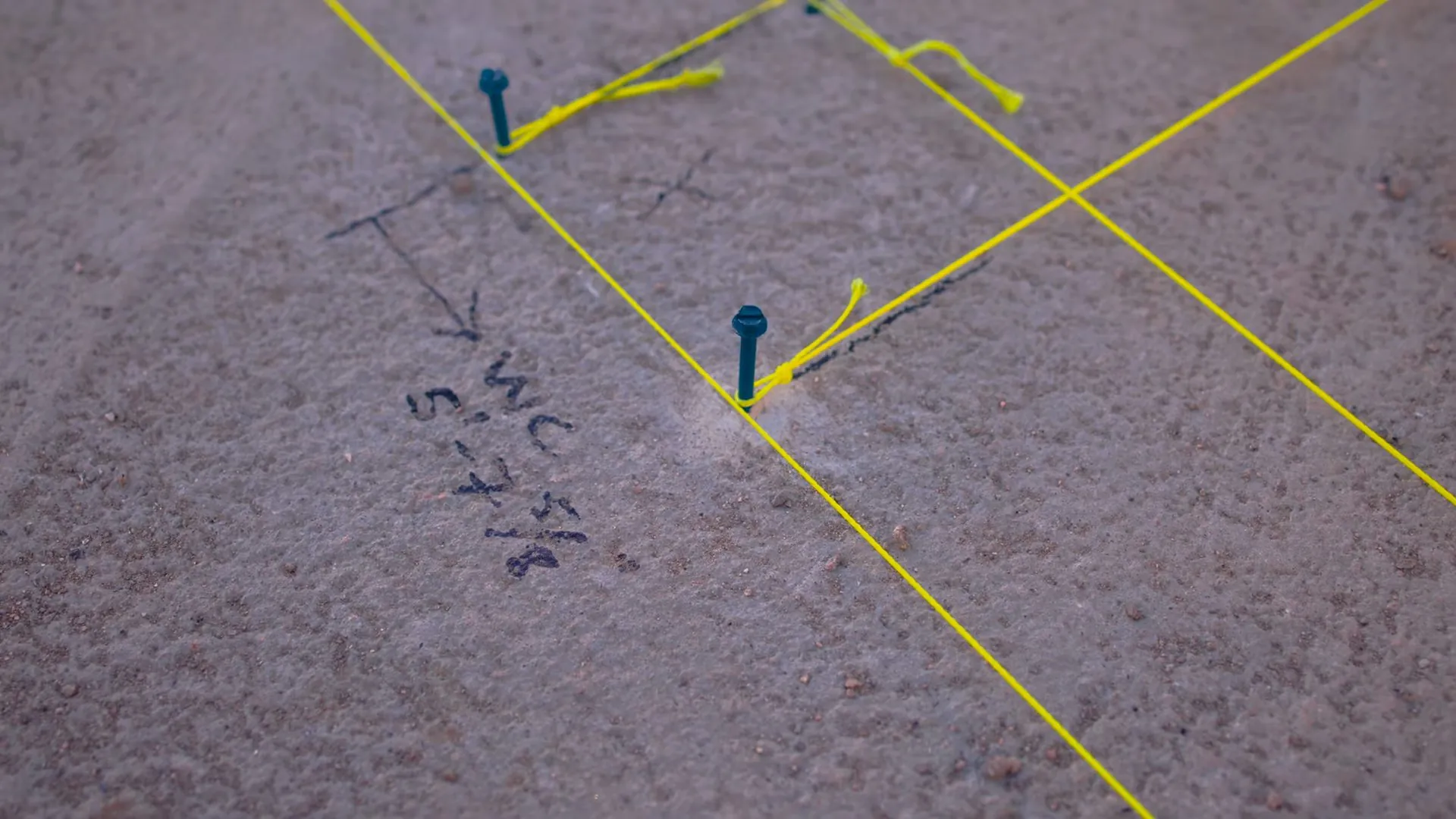
Good locating means working from the least damaging method to the most. A plumber can isolate each line by shutting valves and watching the meter, which narrows the leak to hot or cold and to one run of pipe. Electronic listening tools and a thermal camera then trace the spot from above.
One caution matters before any drilling or cutting. Some slabs contain post-tension cables or rebar that carry real load, and cutting into a cable is dangerous and expensive. Ask the plumber how they will confirm what is in the slab before anything is opened, and ask for a scan if there is any doubt.
| Step | What it tells you | What you should see |
|---|---|---|
| Meter and valve isolation | Which line is leaking | The meter stops moving when the leaking line is shut off. |
| Acoustic listening | Where the sound is loudest | Marks on the floor with a stated margin of error. |
| Thermal imaging | Where a hot line is warming the slab | A picture of the warm path, not a guess. |
| Slab scan before cutting | What is inside the concrete | A confirmed clear area before any opening. |
Three ways to repair a slab leak
There are three common paths, and the right one depends on the pipe, the location and how many leaks there are. Ask the plumber to explain why one fits your house and why the others do not, and ask for the options in writing.
Break through the slab
- Opens the floor directly above the leak.
- Fixes the exact spot with a new section of pipe.
- Needs the floor covering removed and patched afterward.
- Fits one clear leak in an accessible spot.
Reroute the line
- Abandons the leaking run under the slab.
- Runs a new line through the walls or attic.
- Avoids cutting the slab at all.
- Fits older pipe with several leaks.
A third path is lining. A resin liner is pulled through the old pipe and cured in place, which is the same idea covered in pipe lining for sewers. It suits some supply lines and not others, so ask if your pipe material and condition allow it.
Rerouting a line is the trenchless approach for a slab: the leaking run stays in the concrete, sealed off, and a new path carries the water. It trades a little wall or ceiling work for a floor that stays intact. If the lines throughout the house are failing, not only the one under the slab, whole-house pipe replacement is the larger decision to price.
When a leak threatens the foundation
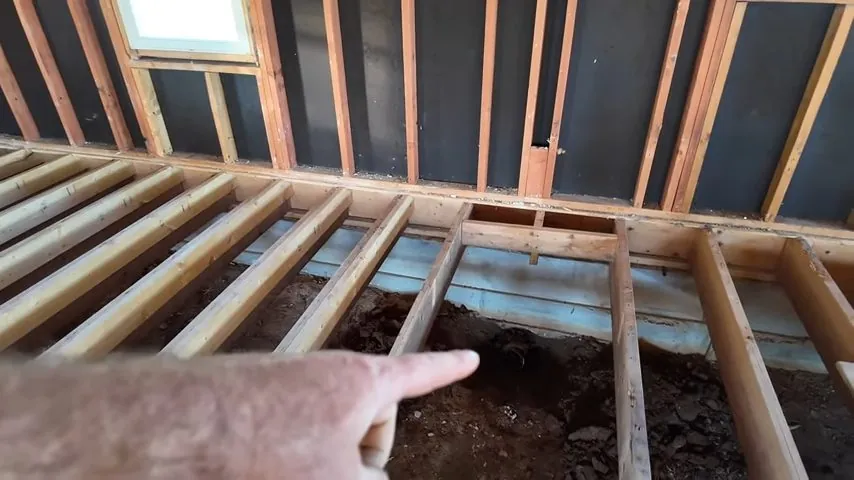
Water that escapes under a slab can wash out or soften the soil under the concrete. A small, slow leak rarely causes harm quickly, but a steady one over months can leave a void or let part of the slab settle.
- New cracks in drywall or tile that keep growing.
- Doors or windows that begin to stick.
- A visible gap between the slab and a wall.
- A floor that slopes where it did not before.
If you see those signs, stop the water at the main valve and call us. After the leak is fixed, a structural engineer is the right person to judge any foundation movement, not a plumber. We can document what we found so the engineer starts with facts.
Insurance, documentation and drying
Many policies treat a sudden pipe break differently from a slow leak that went on for months, and coverage for the slab itself varies. Read your policy or call your agent before the repair, and keep every photo, invoice and meter reading.
Ask the plumber for a written report that names the leak location, the cause and the repair. Once the leak is stopped, wet flooring and subfloor must dry fast. The EPA puts that window at 24 to 48 hours, and our page on flooring and subfloor drying covers what that involves.
Tell us about your house: slab, crawl space or basement
The answers to a few questions about your house shape the repair plan more than anything general we could say about the area. Your plumber should ask them, and you can put the same questions to any plumber who quotes the job.
- Is the house on a slab, a crawl space or a basement?
- What year was it built, and has it been re-plumbed?
- What is the supply pipe made of, if you know?
- Is there post-tension steel in the slab?
Post-tension steel and the pipe material both change how a slab can be scanned and cut, so they are worth knowing before anyone starts. The soil under your slab only matters to this job if water has been escaping long enough to undermine it.
Cost and what happens when you call
Slab leak jobs vary a great deal, because the method, the floor covering and the amount of finish work change the scope. slab leak cost factors lists what moves a quote. A written quote should name the method, the finish work and what is not included.
When you call, tell us what you noticed, when it started and whether the meter moves with everything off. Questions people ask before a visit are collected in slab leak questions answered.
Hearing water under the floor?
Call us and tell us what you noticed. One of our plumbers can confirm the leak and explain the repair options.
Call (833) 571-0120