
Lexington, SC · Gas piping and appliance hookups
Smell gas or need a gas line tested? Gas line repair in Lexington, SC starts with the utility call
A gas smell is not a plumbing problem to solve at the kitchen counter. It is a reason to leave. Gas line work, whether it is a repair, a pressure test or a new appliance hookup, comes after the area is safe.
If you smell gas, leave the house first and call your gas utility or 911 from outside. For testing, repairs or a new hookup that is not an emergency, call us, and one of our plumbers can handle it.
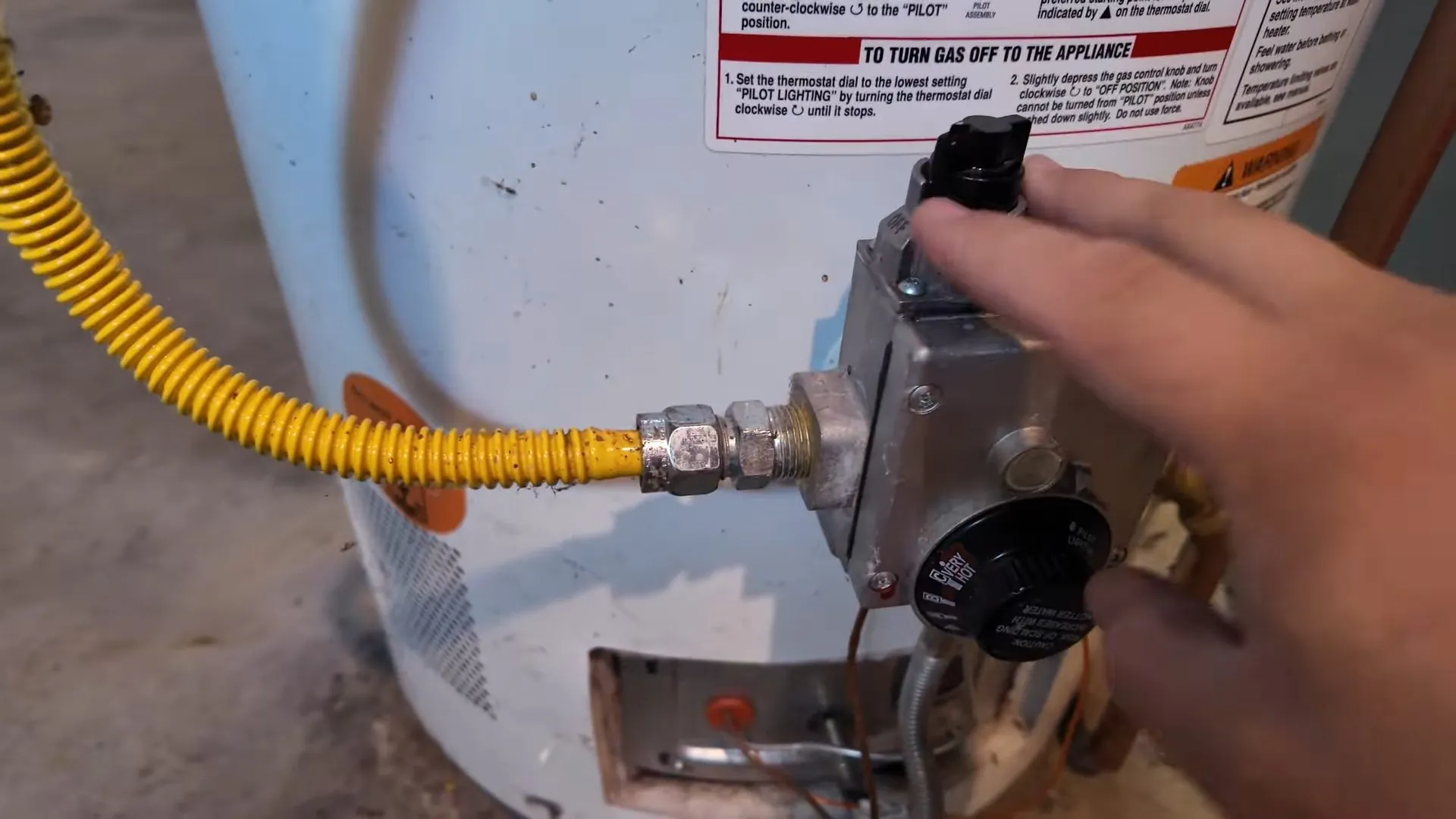
If you smell gas, do this before you call a plumber
- Leave the house with everyone, pets included. Do not stop to open windows or turn off appliances.
- Do not flip switches, use a lighter or start a car in the garage. Anything that can spark can ignite gas.
- Call from outside. Use the number on your gas bill, or 911. The utility will check the meter and the house.
- Stay out until you are told it is safe. Then call a plumber for the repair.
The utility finds and stops the leak at the meter or the appliance. A plumber repairs the piping afterward. The order matters, because a plumber arriving first is working in a space that has not been cleared.
What a pressure test shows
A pressure test fills the gas piping with a set pressure and watches a gauge. If the gauge falls, gas is escaping somewhere. If it holds, the piping is tight at that pressure.
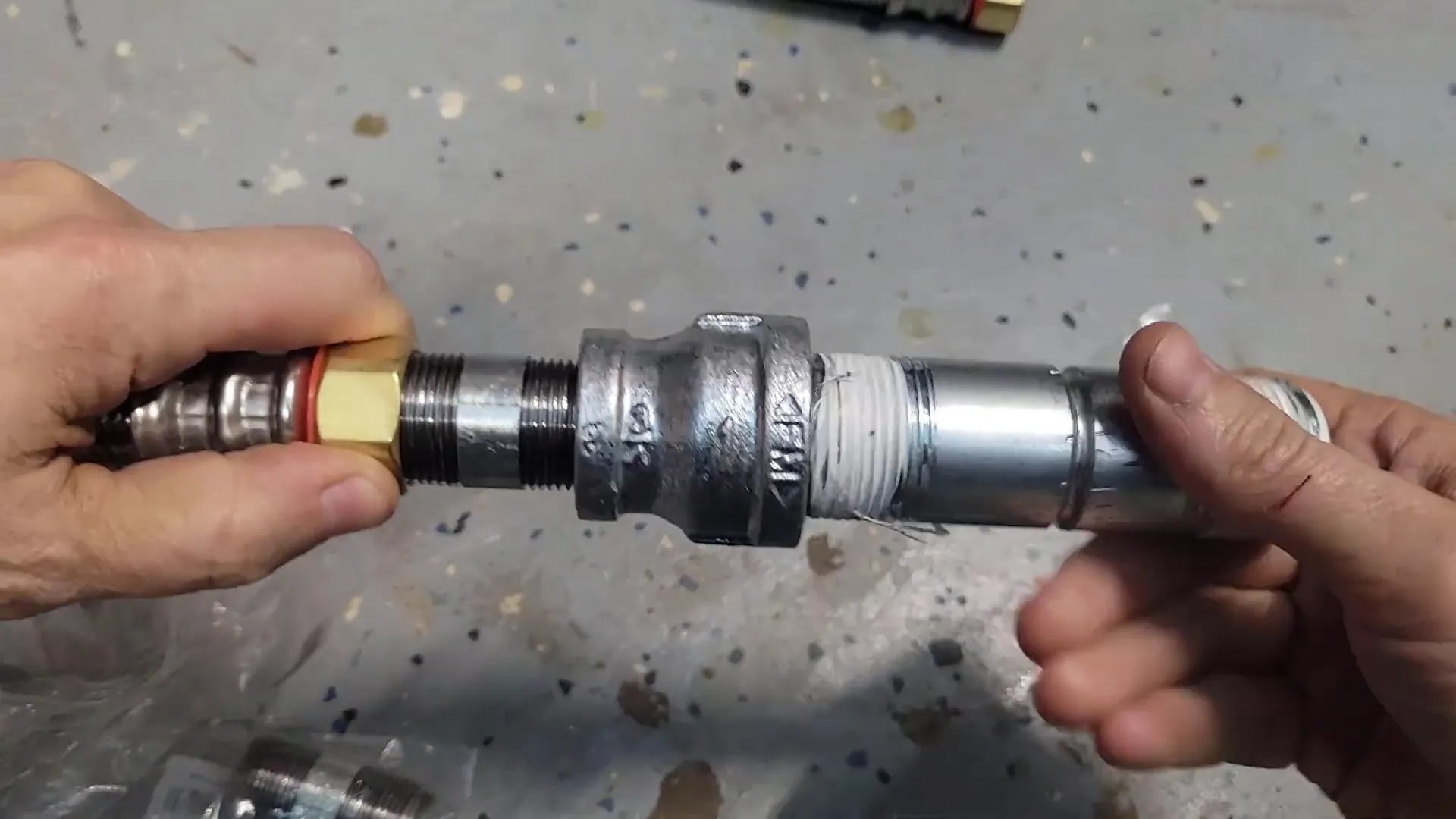
- Ask for the pressure used, the time it was held and the result, in writing.
- Ask which sections were tested: the whole house piping or only one run.
- Ask whether appliance connections were included.
- Keep the report. A new owner, an insurer or an inspector may ask for it.
A test shows whether there is a leak. It does not show where. Finding the leak is a separate step, and the plumber should say how it will be done.
Where gas leaks start, and who owns which pipe
| Where | Common cause | Who usually handles it |
|---|---|---|
| The flexible connector behind a range or dryer | Age, a kink or a pulled connector | A plumber |
| The shutoff valve at an appliance | A worn valve stem or loose fitting | A plumber |
| Threaded joints in the house piping | A joint that has loosened or corroded | A plumber |
| The meter or the line up to it | Damage, corrosion or a loose fitting | The gas utility |
| A buried line between meter and house | Corrosion, shifting ground or a dig that hit it | A plumber, after the utility confirms the meter side is fine |
The usual dividing line is the meter. The utility maintains the pipe to the meter, and the homeowner is responsible for the piping after it. Confirm that with your utility, because the exact line can vary.
Permits and licensing for gas work
Lexington County requires a permit to erect, install, enlarge, renovate, convert or replace a gas, mechanical, electrical or plumbing system, and exempts ordinary repairs and maintenance. A new gas line or a new appliance connection is the kind of work that calls for one. Ask the contractor to pull it, and ask whether an inspection will happen before the work is closed up.
South Carolina licenses residential plumbers through its Department of Labor, Licensing and Regulation. Look up the license holder's name on the state license lookup before gas work begins. Ask whether the plumber is permitted to do gas piping on the job you have in mind, rather than assuming it.
Appliance hookups: range, dryer, water heater, grill
A new gas appliance needs a shutoff valve within reach, a connector of the right type and a leak test after the connection is made. The plumber should test the connection and show you where the shutoff is.
A new gas water heater adds venting and sizing questions. See gas water heater hookups for the heater side. If you are weighing a tankless unit, which draws more gas at once, tankless gas sizing explains why the pipe size matters.
For a gas heater that will not light, see pilot light problems. A pilot problem is a different job from a leak in the piping.
Know your gas shutoffs, and one thing not to do
Each gas appliance has its own shutoff valve, a small handle on the pipe behind it. A handle in line with the pipe is open, and a handle across the pipe is closed. Close the one for a single appliance if it is leaking or being serviced.
The meter has a main valve for the whole house. If the utility or a plumber closes it, ask your utility before reopening it yourself. Restoring service often needs the utility, because every appliance pilot and connection has to be checked first.
Carbon monoxide is a separate hazard from a gas leak. It comes from burning fuel incompletely, not from escaping gas. A carbon monoxide alarm that sounds means leave the house and call 911 or your utility, and have the appliance checked before using it again.
When to have the piping tested before you need to
- Before buying a house, if the inspection noted old gas piping or an unexplained smell.
- After a remodel that moved a range, dryer or water heater.
- Before adding a gas line for a grill, fire pit or generator, which may be buried outdoors.
- After a dig near the meter or the line to the house.
A buried outdoor line needs 811 marking before any trench is dug, and the same permit and license questions apply as indoors. Ask the plumber who requests the locate and how deep the pipe will sit.
Gas problems to leave the house for, and those that can wait
Leave and call the utility or 911
- A gas smell inside or outside the house
- A hissing sound near a gas pipe or appliance
- A pipe that was hit during digging
- A gas appliance flame that is yellow and sooty
Can wait for a scheduled visit
- A request to test the piping before buying or selling
- A planned new range, dryer or grill hookup
- An appliance that will not light but has no gas smell
- A request to add a shutoff valve
Gas line cost factors lists what moves a quote, and the gas line questions answered cover what happens on a call.
Gas work to schedule?
Call us and describe the job. If you smell gas, leave and call your utility or 911 first.
Call (833) 571-0120